
Key Takeaways
UN 38.3 records help show that a lithium battery design has been tested for transport, but they are only one part of a shipment’s compliance file. The documents need to describe the battery actually inside the vape, and the carrier’s requirements still depend on the shipment and route.
- Collect the UN 38.3 test summary and keep the full report available if requested.
- Check that the battery model and manufacturer in the records match the product being shipped.
- Treat installed, packed-with, and spare batteries as different configurations when checking transport rules.
- Confirm packaging, labels, declarations, and route-specific requirements with the carrier.
- Resolve missing or inconsistent information before cargo is handed over for dispatch.
What UN 38.3 means for vape shipments
UN 38.3 refers to the lithium battery testing requirements in Section 38.3 of the UN Manual of Tests and Criteria. For importers arranging UN38.3 vape shipping, the practical question is whether the battery design in each product has been tested and whether the paperwork can be tied to that exact battery. The test record supports transport assessment; it does not by itself approve every shipment, route, or destination. Those decisions also depend on the battery configuration and the rules applied by the carrier and relevant authorities.
How UN 38.3 testing applies to lithium batteries
UN 38.3 testing applies to lithium cells and batteries offered for transport, including batteries installed in equipment such as a vape. It is the battery design type that is evaluated, rather than each finished shipment being individually tested. The test record should therefore identify a design that corresponds to the battery in the goods, not merely mention that the product contains a lithium battery. Importers can use the UN 38.3 testing overview to understand the standard’s role in battery transport.
Why testing covers battery design types, not just individual shipments
A shipment may contain many batteries made to the same tested design, so the relevant evidence concerns the design type and its test results. That does not mean any battery with similar dimensions or capacity can be treated as equivalent. Differences in model, construction, materials, or electrical characteristics may matter, and the supplier should explain how the shipping product relates to the tested design. A test summary with a model name that cannot be connected to the vape’s battery leaves an important gap.
What the standard’s eight tests evaluate
The eight tests examine different stresses that a lithium battery may experience during transport, including changes in pressure and temperature, vibration, shock, short circuit, impact or crush, overcharge for rechargeable batteries, and forced discharge. They are not a general assessment of vape performance or product quality. Read together, the results provide evidence about the battery design under specified test conditions. Importers should check that the summary identifies the tests and results, rather than relying on a supplier’s brief statement that a battery is “UN38.3 approved.”
When a vape battery may fall under a different transport classification
Most vape batteries are rechargeable lithium-ion batteries, but importers should verify the chemistry and design rather than assume. Battery condition, capacity, configuration, and the presence of other regulated contents can affect how a shipment is assessed. A damaged, defective, or recalled battery may be subject to restrictions that differ from those for a compliant battery in normal condition. If product information does not clearly establish the battery type or condition, ask the supplier and carrier to resolve the classification before booking.
Which battery documents importers should collect
A useful document file is one that can be matched to the goods, not simply a folder with several battery-related names. Start with the test summary and ask the supplier for the complete report when available, along with supporting battery specifications. A safety data sheet may help describe materials or hazards, but it is not a substitute for the UN 38.3 test information. The specific documents requested can vary by carrier, transport mode, product, and destination.
The UN 38.3 test summary and its required details
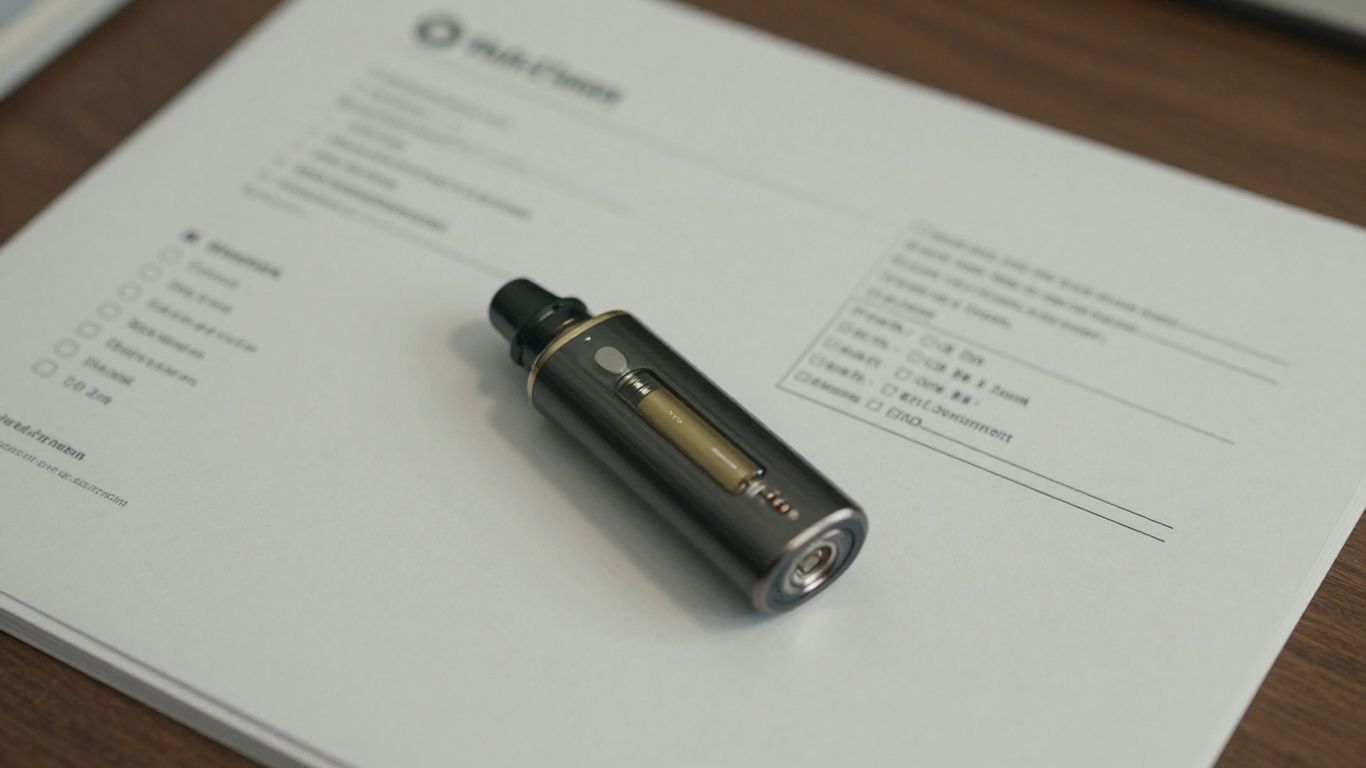
The test summary should contain enough information to identify the tested battery and the test work, including the manufacturer’s name and contact details, the test laboratory, a report number and date, a description of the battery, its mass and watt-hour rating where applicable, and the tests performed with their results. It should also include the required statement or reference concerning assembly of the battery, and the name and signature of the responsible person. Check the exact document against applicable requirements rather than treating a supplier-created cover page as a complete summary.
The full test report and when a carrier may request it
The test summary is the concise document generally used to communicate key test information; the full report contains more detailed records of the testing. A carrier, freight forwarder, or authority may request the full report to review the results or clarify a mismatch. Keep it accessible even when it is not requested at the start of booking. A practical document matching guide can also help organize records around the actual device, battery, and shipment details.
Safety data sheets and why they do not replace UN 38.3 documents
A safety data sheet, sometimes called an SDS or MSDS, describes a substance or product and may be requested as part of a carrier’s review. It does not establish that the battery design passed the UN 38.3 tests, so it cannot stand in for the test summary. The name and revision of the SDS should also correspond to the material or product it describes. For a closer look at this separate document’s role, see the guidance on SDS requirements for vape shipments.
Supporting records such as battery specifications and supplier declarations
Supporting files can make the relationship between a test report and a finished vape easier to establish. Compare the core records carefully; the table below shows what each can help verify and where its limits are.
| Record | What to compare | What it does not establish by itself |
|---|---|---|
| UN 38.3 test summary | Battery model, manufacturer, test laboratory, and results | That every shipment configuration is accepted |
| Full test report | Detailed test information and report references | That the shipped unit uses the tested design |
| Battery specification | Chemistry, capacity, dimensions, and model | That the design passed UN 38.3 testing |
| Supplier declaration | Supplier’s identification of the battery in the product | Independent confirmation of test results |
Use these records together: the specification and supplier declaration can help connect the battery in the device to the test summary, while the full report can answer follow-up questions about the testing. If a supplier cannot explain a difference in model names or ratings, pause the document review rather than assuming the difference is harmless.
How to verify documents match the vape product
Matching documents to cargo takes more than searching for the phrase “lithium battery.” Review the battery information against the actual model and, where possible, the supplier’s product specification and photographs. Check all SKUs individually if a shipment includes several vape models, because one report may not cover every battery design in the order. Guidance on vape shipping rules likewise stresses checking battery configuration and documentation against the goods.
Match the tested battery model to the battery in the device
Start with the battery model listed in the report or test summary, then compare it with the specification for the battery installed in the vape. Check the model identifier, manufacturer, chemistry, capacity, and other identifying details available in the records. For a device with a removable cell, confirm which exact cell is being supplied; for a built-in battery, ask the factory to identify the installed design. A similar-looking model name is not enough if the supplier cannot show how the records relate.
Check manufacturer, laboratory, and test-summary information
Verify that the battery manufacturer named in the paperwork agrees with the supplier’s battery information, and check that the test laboratory and report details are present. Confirm that the document identifies the tests and results and is signed or otherwise completed as required. If the factory provides only a cropped page or a summary without identifying information, request a legible, complete copy. These checks do not replace carrier review, but they make it easier to spot an incomplete file before booking.
Confirm that design changes have not made test records outdated
A report can be genuine yet fail to describe the current production battery. Ask whether the cell or pack design, manufacturer, materials, or construction has changed since testing. A supplier change or revised model code may be harmless, but it needs an explanation that connects the current battery to the tested design. When the supplier cannot document that connection, obtain the correct records before treating the existing report as applicable.
Resolve discrepancies between product labels, invoices, and reports
Names and descriptions should be consistent across the product label, battery specification, test summary, invoice, and packing list. This is especially worth checking when the factory uses an internal code on one document and a commercial model name on another. Keep an explanation of any legitimate naming difference with the file, and ask the supplier to correct errors rather than editing technical records yourself. Consistency helps a carrier or customs reviewer understand what is actually being shipped.
How battery configuration affects shipping requirements
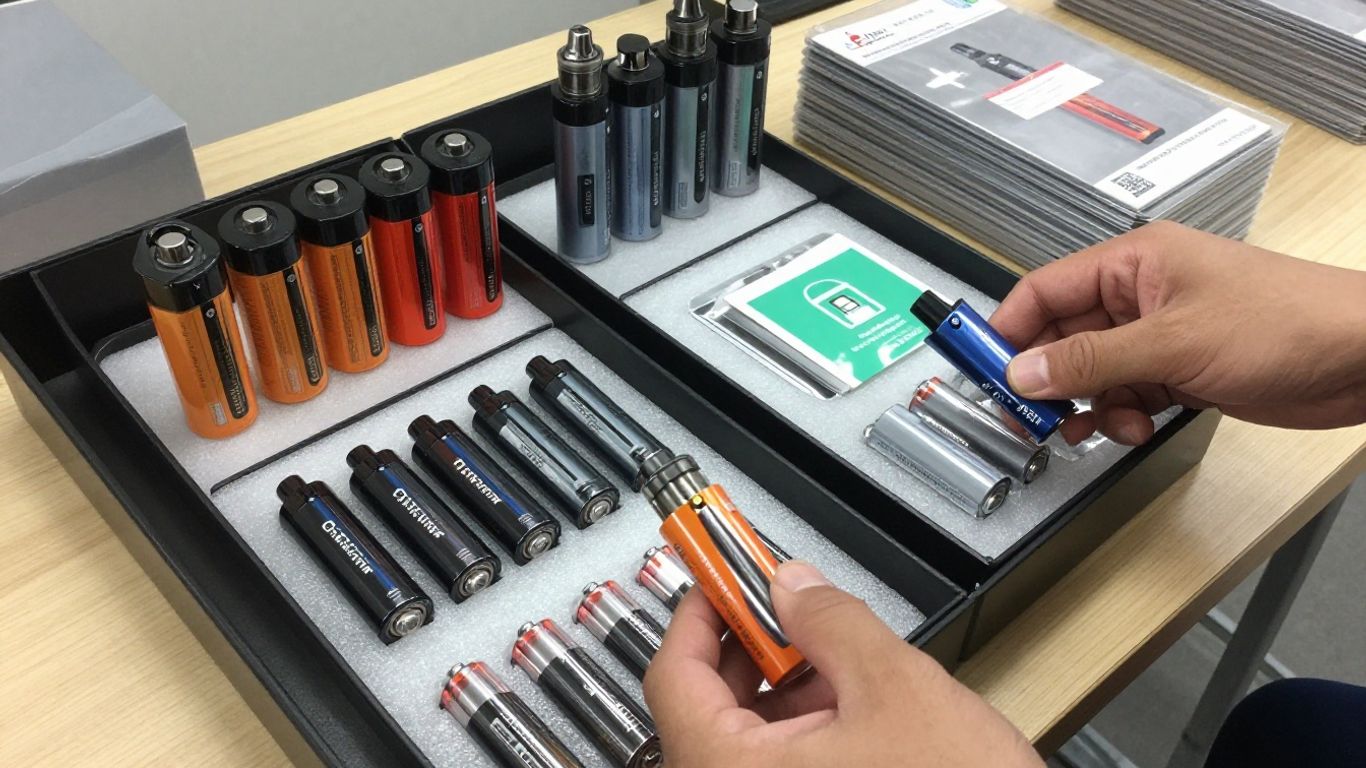
The same battery can be subject to different handling requirements depending on how it is presented for transport. An installed battery, a battery packed in the same package as a device, and a battery shipped by itself are not interchangeable descriptions. The number of batteries, their capacity, packaging, route, and carrier rules also matter. Before comparing transport options, identify the physical configuration of each SKU and use the air-freight vape shipping guide for a route-specific overview.
Batteries installed in vapes
A battery built into a vape is shipped as part of the equipment, but the battery still needs to be identified and supported by the appropriate test documentation. Report the actual configuration clearly in product information and shipping records. Do not describe an installed battery as a separate spare, or assume that integration into a device removes all battery transport requirements. Carrier acceptance and packing conditions still need confirmation.
Batteries packed with equipment
Some products are packed with a battery that is not installed in the device. In that case, describe both the device and the battery accurately, including how many batteries are in each package and how they are protected against movement or damage. The carrier’s classification and packing instructions may differ from those for an installed battery. Clear package-level information helps the shipper prepare the right documents and prevents a mismatch between booking details and cargo.
Spare or standalone batteries
Spare batteries shipped alongside devices, or batteries shipped on their own, can face different restrictions from batteries installed in equipment. They need suitable protection against short circuit and physical damage, and some carriers limit or refuse particular configurations. Do not infer that a spare battery is covered simply because a similar battery is installed in a vape with a valid test summary. Confirm how each package will be declared and prepared before the goods leave the supplier.
Differences between air, ocean, and ground transport
Air, ocean, and ground transport do not use identical operating rules or carrier acceptance procedures. Air shipments may have stricter limits tied to battery configuration, quantity, or state of charge, while ocean and ground movements have their own applicable requirements and operator policies. The route may also involve more than one mode, so a shipment accepted for one leg is not necessarily cleared for every handoff. Kunpeng Freight coordinates air, sea, rail, road, and express shipping; the appropriate option depends on the cargo, destination, urgency, and carrier acceptance.
What other shipping paperwork and controls may be needed
UN 38.3 records address battery testing, not every shipping or import requirement for a vape product. Depending on the cargo and route, a shipment may need dangerous goods paperwork, commercial documents, specific packaging, marks, labels, or destination-market records. E-liquid and other product contents can affect the overall assessment too. For an overview of international vape shipping checks, consider the battery file alongside the rest of the product and route information.
Dangerous goods declarations and carrier forms
A carrier may require a dangerous goods declaration or its own forms, depending on the classification and service. These forms must describe the actual shipment, including the configuration and quantities being presented. A test summary is supporting battery evidence, not a declaration of the shipment itself. Confirm which forms are needed with the carrier or freight forwarder and ensure they agree with the commercial invoice and packing list.
Packaging, marks, and lithium battery labels
Packaging and marking requirements depend on the battery type, configuration, quantity, and transport rules in force. Use the instructions that apply to the specific booking rather than copying marks from an older shipment. Packages may need to prevent movement, protect terminals, and show required handling information; the exact requirements should be confirmed for the shipment. Incorrect or missing marks can delay acceptance even when the battery documents are complete.
State-of-charge and quantity limits for air shipments
Air transport rules can impose state-of-charge or quantity limits for certain lithium battery configurations. The applicable conditions depend on battery type, whether it is installed or packed separately, and the current rules and carrier policies. Do not apply a single limit to every vape shipment. Ask the airline or freight forwarder to confirm the current requirements for the planned service, then make sure the factory packs and records the cargo accordingly.
Import and destination-country requirements beyond UN 38.3
Battery transport documents do not establish that a vape is allowed to enter or be sold in the destination market. Import controls, product rules, labeling obligations, and restrictions on e-liquid or nicotine can vary by country and product type. The importer should check destination requirements before cargo is dispatched, and confirm which party is responsible for permits and declarations. Keep transport compliance and product-market compliance as separate checks in the shipment plan.
Build a reliable UN38.3 vape shipping process
A dependable workflow starts with an accurate picture of the product and ends with a record of what the carrier accepted. Gather battery details early, compare the documents with each SKU, and confirm the planned configuration and route before the goods are released. Supplier handover, cargo inspection, consolidation, and export preparation can all surface differences that were not obvious during ordering. Kunpeng Freight coordinates supplier pickup, cargo inspection and consolidation, export handling, and delivery as part of its China-to-destination freight service.
Request documents before placing or releasing an order
Ask the supplier for battery model and chemistry information, the UN 38.3 test summary, the full report if available, and any supporting specifications before cargo is ready to ship. Include the exact product models and battery configuration in the request so that the supplier does not send a generic file for another item. Kunpeng Freight can review documents early as part of shipment coordination, while the importer remains responsible for ensuring the product information is accurate. Early review leaves more time to resolve missing or unclear records before dispatch.
Confirm requirements with the carrier and freight forwarder
Send the product details, battery documents, package configuration, destination, and intended transport mode for review. Ask which declarations, packaging, marks, labels, and other forms apply to that booking, and confirm whether the carrier accepts the product on the proposed route. Kunpeng Freight coordinates freight options and documentation support, but final acceptance depends on the actual cargo and relevant carrier requirements. Written confirmation is useful because schedules, routing, and operating rules can change.
Keep shipment records accessible for inspections and repeat orders
File the final test summary, report, product specifications, supplier correspondence, shipping forms, and approved packing details under the relevant SKU and shipment. When an order repeats, compare the new battery and package details with the previous file rather than assuming nothing has changed. Keep corrected versions and explanations of model-name differences with the records so they can be retrieved if a carrier or authority asks for them. Clear files also make it easier to brief a new supplier or shipping contact.
Address missing, inconsistent, or unverifiable documentation before dispatch
If a report is incomplete, a model does not match, or a supplier cannot verify the battery design, hold the shipment review until the gap is resolved. A short three-step check keeps the decision practical:
- Ask the supplier to identify the battery installed in each product model.
- Compare that identification with the test summary and supporting specification.
- Confirm with the carrier that the documents and packing match the intended route.
Only release the cargo once the battery, paperwork, package configuration, and booking details tell the same story. The same basic discipline of identifying the subject and checking its records appears in other contexts too, such as executive transport, bed bug treatment, BYOD security, Ibiza party boat planning, and ingredient safety; for this shipment, the critical subject is the exact battery design and configuration.
Conclusion
UN 38.3 documentation is most useful when it can be traced directly to the battery inside the vape and read alongside the shipment’s actual packing and route details. Collect the test summary early, verify the supporting records, and confirm the remaining transport and destination requirements with the carrier before dispatch. A careful match-up helps you address questions while the cargo is still with the supplier, rather than after a booking is underway.
Frequently Asked Questions
Is UN 38.3 a certificate?
It is commonly described as a certification, but importers should focus on the test evidence and required test summary for the battery design. A document’s title alone does not confirm that it contains the necessary information or matches the product being shipped.
Does every vape shipment need a UN 38.3 test summary?
Requirements depend on the battery and applicable transport rules, but lithium batteries offered for transport are generally expected to meet UN 38.3 testing requirements. Confirm the documentation expected for the exact product, configuration, route, and carrier.
Is a UN 38.3 test summary the same as a full test report?
No. The test summary provides key information about the battery and testing, while the full report contains more detailed test records. A carrier or authority may ask for the full report to clarify a question.
Can an SDS replace a UN 38.3 test summary?
No. An SDS describes a product or substance and may support a carrier review, but it does not demonstrate that a lithium battery design has undergone the UN 38.3 tests.
Does one test report cover every vape model from a supplier?
Not necessarily. A report needs to relate to the battery design used in the specific model. If several products use different batteries, verify whether the records cover each design.
Are installed and spare vape batteries shipped under the same requirements?
They may be treated differently. Requirements can depend on whether batteries are installed, packed with equipment, or shipped separately, as well as on the route and carrier rules.
Does UN 38.3 approval mean a vape can be imported anywhere?
No. UN 38.3 concerns lithium battery transport testing. Import eligibility, product labeling, e-liquid restrictions, and other destination-market rules are separate matters that importers must check.