Key Takeaways
A successful ceramic import depends on more than finding a suitable supplier. Product specifications, compliance checks, protective packaging, and freight planning need to be treated as one connected process.
- Chaozhou offers a broad ceramic manufacturing base and useful export connections.
- Dinnerware should be specified by body, dimensions, finish, use case, and stacking needs.
- Food-contact testing and documented quality checks should be completed before production.
- Packaging, inspection, and landed-cost planning help control breakage and unexpected charges.
- Freight should be selected according to volume, urgency, route, documentation, and delivery requirements.
Why source tableware from a Chaozhou ceramic tableware factory
Chaozhou is a practical sourcing location for buyers who need dinner plates, mugs, bowls, and coordinated ceramic pieces. The region supports both standard wholesale products and made-to-order work, although capabilities vary substantially between factories. A useful sourcing plan therefore combines regional knowledge with direct verification of the specific supplier.
Chaozhou’s ceramic production strengths and export ecosystem
Chaozhou has a long-standing ceramic manufacturing base that includes daily-use tableware and related ceramic products. Buyers can compare factories with different equipment, product specializations, order sizes, and export experience within a relatively concentrated sourcing area. Regional supply-chain depth can also make it easier to develop several related shapes or replenish an established collection.
For broader background, this Chaozhou sourcing guide explains how to define specifications, assess suppliers, review packing, and plan freight. Those steps matter because a factory quotation is only one part of the import decision; pickup, inspection, documentation, and delivery also affect the final result.
Fengxi and other key ceramic manufacturing areas
Fengxi is commonly associated with Chaozhou’s ceramic production, but buyers should not treat a district name as proof of factory capability. Ask for the precise factory address, production photographs, equipment list, and examples of comparable products. A supplier that makes decorative ceramics may not have the same experience with food-contact tableware, large plates, or export-grade protective packaging.
The local supplier base can be useful for comparing forms and finishes, while an external ceramic manufacturer directory may help identify additional starting points. Directory listings are leads rather than approvals, so each candidate still requires sampling and documentation.
Product customization, minimum order quantities, and production scale
Customization may involve a new mold, a modified existing shape, a glaze adjustment, a decal, a logo, or a coordinated set. Each option changes development time, approval work, and minimum order quantity. Ask whether the quoted minimum applies per color, per shape, per item, or across a complete collection.
Production scale should be assessed against your order pattern rather than a factory’s broad claims. A supplier may handle a large run but have limited flexibility for frequent small replenishment orders. Confirm mold ownership, replacement arrangements, production lead time, and how approved samples will be retained as references.
When Chaozhou sourcing is a better fit than other ceramic regions
Chaozhou can be a strong fit when you want several tableware categories from one regional cluster, practical customization, or a supplier base familiar with export packing. It may be less suitable when your project requires a highly specialized artistic process or a body and finish available from only one particular producer elsewhere. The correct comparison is between verified factories and complete landed costs, not between city names alone.
Buyers considering other porcelain origins can also review this Dehua porcelain sourcing resource for a useful comparison of product positioning, factory evaluation, and ceramic shipping considerations.
How to choose dinner plates, mugs, and complementary tableware
The right collection begins with how the pieces will be used, displayed, washed, stacked, and shipped. A plate that looks elegant in a sample room may be awkward in a restaurant rack or too fragile for an eCommerce parcel. Define practical requirements before discussing colors and decoration.
Comparing porcelain, stoneware, earthenware, and ceramic bodies
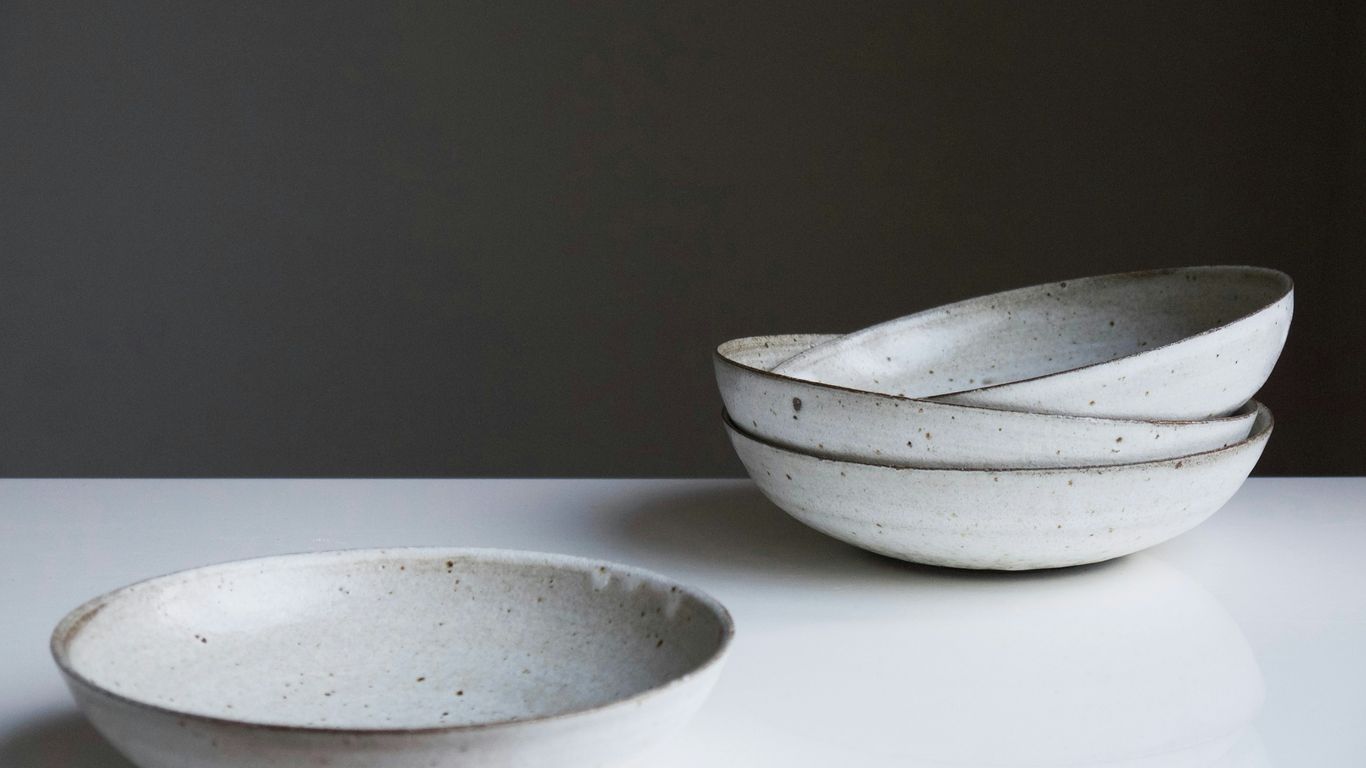
Porcelain is generally associated with a refined appearance and relatively light profiles, while stoneware is often chosen for a more substantial feel and informal presentation. Earthenware can support particular decorative looks but may require closer review of porosity, durability, and intended use. The term ceramic alone is too broad for a purchase order, so specify the body, firing expectations, absorption requirement, and intended application.
Request technical information in the same format from every supplier. This makes it easier to compare not only the appearance of samples but also weight, wall thickness, water absorption, glaze behavior, and expected care instructions.
Selecting shapes, sizes, capacities, and stacking specifications
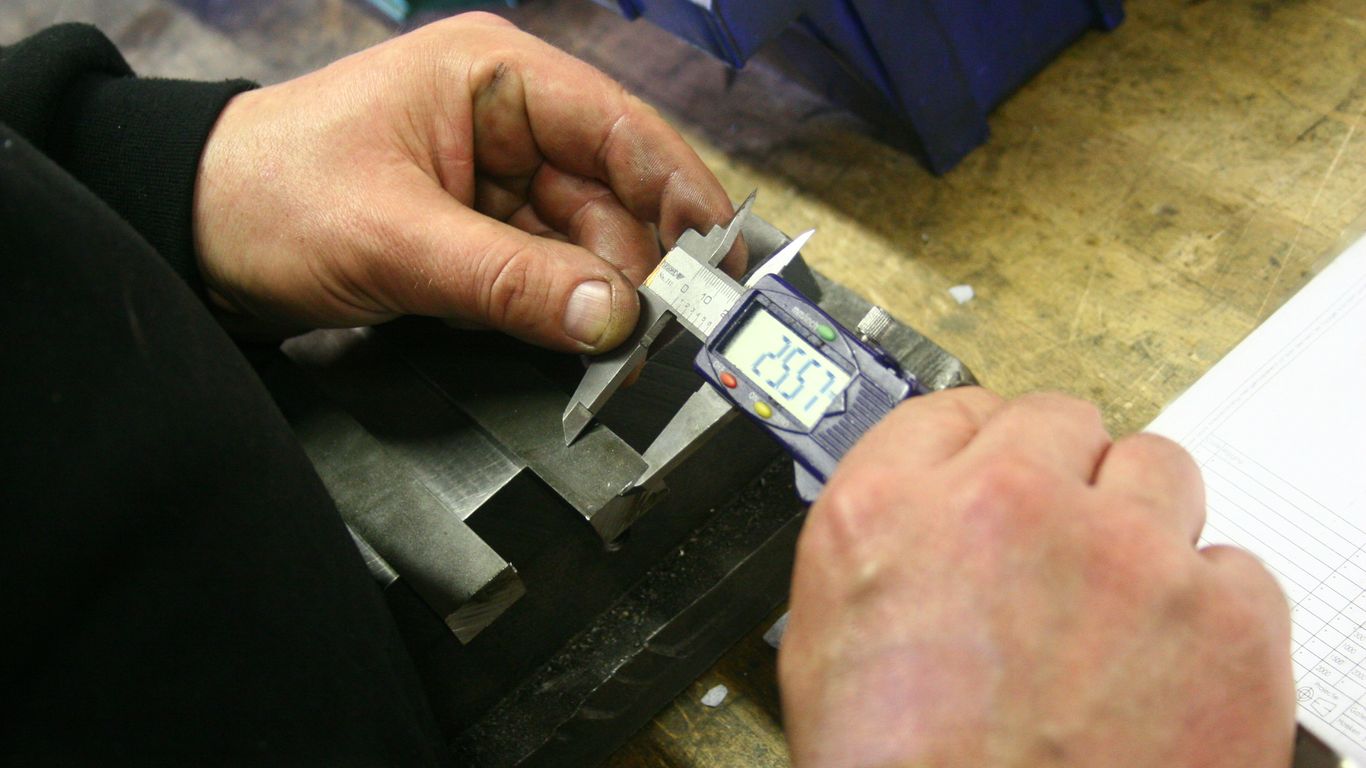
Dimensions should be measured on approved samples, including diameter, height, rim profile, foot ring, and usable food area. For mugs, record capacity at a defined fill level, handle clearance, opening diameter, and overall height. Stacking is equally important: small differences in foot rings or rim geometry can create unstable piles and increase carton volume.
A simple specification sheet should state nominal dimensions alongside acceptable tolerances. Include nesting height, rack compatibility, carton quantity, and whether pieces from different collections must stack together. These details help the factory quote accurately and help the warehouse plan storage.
Evaluating glazes, finishes, colors, decals, and embossed details
Glaze samples should be reviewed under consistent lighting and compared with a retained color standard. Ask how the supplier controls variation between production batches, especially for reactive, speckled, matte, or hand-finished surfaces. Decals and embossed details should be checked for registration, edge lifting, pinholes, rough contact areas, and changes after washing.
A decorative feature also affects packing and inspection. Raised details can rub against neighboring pieces, while dark or glossy glazes may make small surface marks more visible. Record approved appearance limits with photographs and written descriptions rather than relying on the phrase “same as sample.”
Matching tableware designs to retail, hospitality, and foodservice needs
Retail buyers often prioritize shelf presentation, collection breadth, barcode-ready packaging, and repeatable color. Hospitality buyers may focus more on stacking, replacement availability, service durability, and compatibility with commercial dishwashing. Foodservice programs usually need practical dimensions, efficient carton packing, and predictable replenishment.
The design brief should identify the sales channel, expected handling, care instructions, and target price position. For inspiration on coordinated dining environments, this China dining table guide offers adjacent ideas about matching furniture and tableware presentation without replacing product-specific testing.
How to verify food-grade ceramic quality and compliance
Food-grade suitability should be established through the destination market’s requirements and the exact finished product. A supplier’s general certificate may not cover a new glaze, decal, body, or production site. Treat compliance as a documented product decision, not as a description copied from a catalogue.
Understanding food-contact safety requirements for the US market
For the US market, identify the applicable food-contact rules and any retailer-specific requirements before approving production. The assessment should cover the ceramic body, glaze, decoration, rim, and any printed or metallic element that may contact food or beverages. Keep the product description, intended use, test reports, and supplier declarations together.
Ask the factory to confirm the production site and material formulation represented by its documents. If the item changes after testing, such as through a new color or decal, determine whether additional testing is needed.
Testing for lead, cadmium, and other restricted substances
Lead and cadmium migration are central concerns for glazed ceramic tableware, but the appropriate restricted-substance review depends on the destination, product construction, and buyer requirements. Testing should use production-representative samples, not only a showroom piece. The report should identify the tested item, sample date, laboratory, method, and result.
A buyer should also clarify who pays for retesting if a formulation changes or a result is inconclusive. Keep laboratory reports linked to the purchase-order specification so that the tested version can be matched to the shipped version.
Checking glaze durability, thermal shock resistance, and dishwasher safety
Safety testing does not by itself prove that a product will perform well in daily service. Review glaze adhesion, abrasion, crazing, staining, thermal shock, oven or microwave suitability where relevant, and dishwasher instructions. The test method should match the product’s intended use and the claims that will appear on packaging.
A mug, a thin dinner plate, and a thick stoneware serving dish may respond differently to rapid temperature changes. Approve care language only after the factory confirms that the tested construction and finish are the same as the commercial item.
Reviewing factory quality-control records and inspection reports
Request records that show how incoming materials, in-process forming, firing, glazing, decoration, and final packing are checked. Useful documents include inspection standards, defect classifications, batch records, test reports, and corrective-action records. The goal is to see whether quality is controlled throughout production rather than discovered only before shipment.
A clear inspection plan normally defines sampling levels, critical defects, major defects, minor defects, measurements, appearance limits, and carton checks. The ceramic freight archive also provides a broader logistics reference for documentation, packaging, and route planning.
How to evaluate and qualify a Chaozhou ceramic tableware factory
Factory qualification is a staged process. An attractive sample is encouraging, but it does not establish production consistency, export readiness, or the ability to repeat a finish months later. Combine identity checks, technical questions, sample review, and an agreed inspection process.
Confirming manufacturing capabilities and production equipment
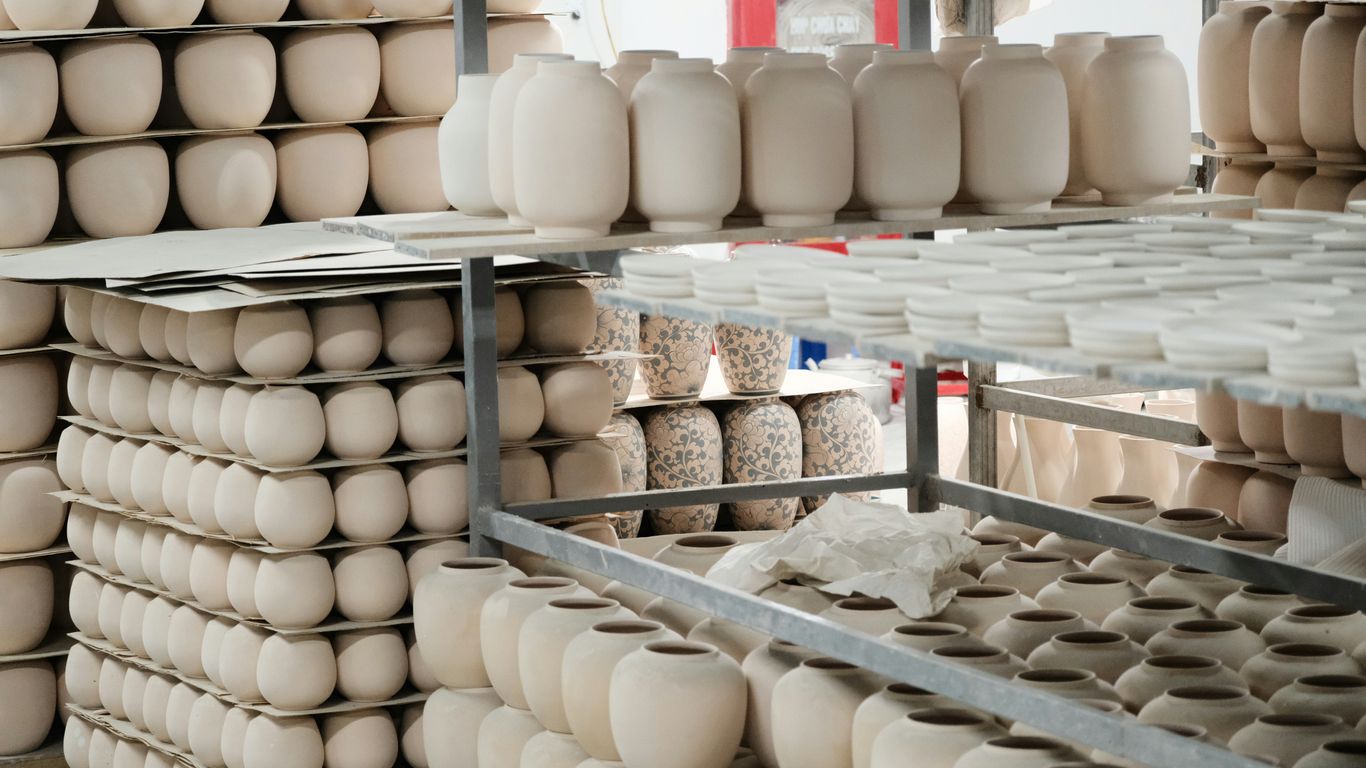
Ask whether the supplier forms, fires, glazes, decorates, and packs products in-house or relies on outside partners. Confirm the equipment relevant to your order, including forming methods, kiln capacity, glaze application, decal processes, and packing stations. You should also understand which steps may be subcontracted and how those steps are controlled.
Production capacity should be discussed in units by item and by period, not only as a general annual figure. Request current photographs or a video walkthrough, then compare them with the factory address and business documents.
Assessing sample quality before approving a bulk order
Evaluate samples for dimensions, weight, flatness, wobble, glaze coverage, pinholes, sharp edges, handle strength, color, decoration, and packing method. Use the sample as a technical reference and photograph it from several angles. If several pieces are supplied, compare variation between them rather than inspecting only the best-looking example.
Do not approve a bulk order until the sample approval record identifies the exact body, finish, color, dimensions, logo treatment, care instructions, and packaging arrangement. Written sample approval is one of the simplest controls against later disagreement.
Reviewing mold development, color matching, and customization processes
For custom work, establish who owns the mold, who pays for modifications, how many revisions are included, and what happens if the order is discontinued. Color matching should refer to a physical standard or agreed reference, with acceptable variation defined in advance. Embossing, decals, and logo placement also need measurable limits.
A useful development schedule separates drawing approval, mold trial, first sample, revised sample, pre-production sample, and bulk production. This prevents a verbal “looks good” message from being mistaken for approval of every production detail.
Using pre-shipment inspections and corrective-action procedures
A pre-shipment inspection should check both product quality and shipment identity. Inspectors can verify quantities, dimensions, appearance, carton marks, packaging, and the presence of the approved version before cargo leaves the factory. If defects are found, record them with photographs, quantities, locations, and a clear disposition.
Corrective action may involve sorting, rework, replacement, credit, or a revised process. Agree on who authorizes release after correction and whether a follow-up inspection is required. This process is more useful than an informal promise to “pay attention next time.”
How to plan pricing, samples, and purchase orders
A ceramic quotation is only meaningful when its assumptions are visible. Unit price, tooling, decoration, cartons, inspection, inland movement, export handling, freight, duties, and final delivery may sit with different parties. Build the comparison around the complete shipment rather than selecting the lowest factory number.
Breaking down unit costs, tooling fees, packaging, and inspection charges
Ask for separate prices for the ceramic item, decoration, mold or tooling, sample development, inner protection, export cartons, pallets, inspection, and any local transport. Confirm whether prices include export packing and whether packaging is reusable, retail-ready, or designed only for bulk freight. Sample charges and tooling deposits should show payment terms and refund or credit conditions.
This breakdown also helps identify costs that may recur during replenishment. A new color, revised logo, or changed carton quantity can alter the price even when the base shape stays the same.
Comparing quotation terms and total landed cost
Compare quotations using the same currency, trade term, order quantity, packaging standard, and delivery point. FOB, EXW, CFR, CIF, and DDP place different responsibilities and risks on the buyer and seller, so the apparent price difference may not be a real saving. Include inspection, insurance, customs charges, duties, destination handling, and final-mile delivery in the landed-cost model.
For shipment planning, a China import documentation guide can help organize packing lists, invoices, customs data, and related records. The practical lesson is to request missing cargo details early rather than estimate from product names alone.
Setting sample approval, production, and replenishment milestones
Set milestones for artwork, mold approval, sample delivery, testing, purchase-order confirmation, production start, inspection, cargo-ready date, and replenishment review. Allow time for revisions and laboratory work where required. Replenishment planning should also consider whether the factory will retain the mold and color reference.
A milestone schedule gives both sides a shared working calendar. It also makes delays easier to diagnose because the affected approval or handover point is visible.
Protecting specifications through purchase-order documentation
The purchase order should attach or reference the approved sample, drawings, measurements, tolerances, materials, glaze, decoration, packaging, carton marks, inspection standard, and shipping responsibilities. State whether substitutions are prohibited without written approval. Include the required documents and the destination-market labeling information.
Verbal instructions can support a project, but they should not replace the controlled specification. The more customized the collection, the more valuable a single, dated reference pack becomes.
How to package ceramic tableware for export
Ceramic packaging must protect edges, rims, handles, and decorated surfaces while controlling movement inside the carton. It also has to fit warehouse handling, palletization, and container loading. The packaging design should be tested with the final product and not approved only from a drawing.
Choosing inner protection for plates, mugs, and fragile shapes
Plates commonly need separators that prevent face-to-face impact and protect rims. Mugs require particular attention to handles, openings, and side-to-side movement. Bowls, serving pieces, and irregular forms may need shaped inserts or additional void fill so that pressure is not concentrated on one fragile point.
Use a layered system: individual protection where needed, dividers between pieces, cushioning around the group, and a strong outer carton. This ceramic packaging guidance gives useful context on layered protection, vulnerable areas, and preventing movement.
Designing cartons, dividers, pallets, and container loading plans
Carton dimensions should balance protection with efficient cube utilization. Specify divider material, cell size, carton strength, inner and outer counts, pallet pattern, stack height, and stretch wrapping. Confirm whether cartons can be safely double-stacked and whether mixed SKUs require separate identification.
A loading plan should account for weight distribution and access to carton marks. Heavy cartons should not crush lighter or more fragile packs, and empty spaces should not permit shifting during handling.
Reducing breakage through drop, vibration, and compression testing
Testing should reproduce the likely handling sequence, including carton drops, vibration, compression, and pallet movement. Inspect both the packaging and the ceramic after testing. A carton that looks intact may still contain chipped rims or cracked handles, so open and count the contents.
Use the results to adjust separators, cushioning, carton strength, or unit count. Retest after a meaningful packaging change, especially when the change reduces material or increases the number of pieces per carton.
Labeling cartons for warehouse handling and retail distribution
Carton marks should identify the purchase order, SKU, description, quantity, gross and net weight, dimensions, carton number, country of origin, and handling instructions required by the buyer. Retail-ready packaging may require additional barcodes, language, warnings, or care information. Confirm these requirements before printing.
Marks should remain readable after normal handling and should match the packing list. A mismatch between carton labels and documents can slow receiving even when the products themselves are correct.
How to manage food-grade ceramic freight from Chaozhou
Freight planning begins when the factory can provide reliable cargo details: carton count, dimensions, gross weight, cubic volume, cargo-ready date, pickup address, and destination delivery point. Ceramic is fragile and often space-sensitive, so a mode decision based only on weight can be misleading. Route, service level, consolidation, insurance, customs, and final-mile handling all deserve attention.
Choosing between ocean, air, rail, and multimodal shipping
Ocean freight is commonly considered for larger, lower-priority shipments, while air may suit urgent or smaller consignments when the cost is justified. Rail can be relevant on suitable China–Europe routes, and express or road services may fit particular shipment sizes and destinations. Multimodal planning can combine modes when the origin, destination, or timing requires it.
The right choice depends on cargo volume, fragility, urgency, destination, budget, and documentation readiness. This freight services overview explains how sea, rail, road, express, consolidation, and paperwork support can fit different shipment workflows.
Comparing full-container load and less-than-container load options
FCL gives one shipper use of a container, while LCL combines cargo from multiple shippers. FCL may offer greater control over loading and fewer consolidation touches when the volume is sufficient. LCL can be practical for smaller orders, but charges may include origin handling, consolidation, destination deconsolidation, and additional terminal work.
Compare the full door-to-door estimate, not just the ocean line charge. For fragile tableware, ask how cargo is secured, where consolidation occurs, and whether the cartons will be moved between facilities.
Preparing export documents, customs data, and product declarations
Prepare the commercial invoice, packing list, purchase-order reference, product description, quantities, values, origin information, and applicable HS classification. Ceramic tableware should be described accurately rather than hidden under a vague category. Confirm whether the destination requires testing records, declarations, labeling, or importer information.
Documents should agree on quantities, carton counts, weights, values, and consignee details. Early review gives the shipper time to correct inconsistencies before cargo reaches the export or import process.
Coordinating freight insurance, port delivery, and final-mile transport
Insurance terms should be reviewed against the product value, packaging, exclusions, deductible, claim procedure, and whether damage is assessed per carton or per shipment. Confirm who arranges pickup from the Chaozhou supplier, delivery to the export port, terminal handover, customs coordination, and final delivery.
Kunpeng Freight coordinates supplier pickup, cargo inspection and consolidation, export handling, and air, sea, rail, road, or express shipping according to the shipment requirements. Its shipment quote request is most useful when you provide the pickup address, destination, carton data, cargo-ready date, and preferred service level.
Conclusion
A dependable Chaozhou ceramic tableware import is built through disciplined specifications, representative testing, verified samples, protective packaging, and freight planning based on actual cargo details. When those controls are connected from factory approval through final delivery, buyers can make clearer decisions about cost, risk, timing, and replenishment.
Frequently Asked Questions
Is Chaozhou suitable for wholesale ceramic tableware?
Chaozhou can suit wholesale buyers seeking dinnerware, mugs, bowls, coordinated collections, and customization. Suitability depends on the individual factory’s body materials, equipment, quality controls, minimum order quantities, and export experience.
What should a dinnerware specification sheet include?
Include ceramic body, dimensions, weight, tolerances, capacity, glaze, color, decoration, care instructions, packaging, carton quantity, labeling, and inspection requirements. Attach an approved physical or photographic reference where possible.
How can buyers verify food-grade ceramic safety?
Use production-representative samples and request laboratory reports that identify the exact product, materials, test method, laboratory, and date. Confirm that any later change to glaze, color, decal, or body is assessed for its effect on compliance.
What defects should be checked on ceramic tableware?
Check cracks, chips, sharp edges, pinholes, crawling, crazing, discoloration, warping, wobble, poor decoration registration, rough foot rings, weak handles, and inconsistent dimensions. The acceptable limits should be written before inspection.
When is FCL preferable to LCL for ceramics?
FCL may be preferable when the shipment volume is sufficient or when reducing consolidation touches and controlling loading is valuable. LCL can suit smaller orders, but buyers should review handling, consolidation, destination charges, and packaging risks.
What documents are commonly needed for ceramic freight?
Common documents include a commercial invoice, packing list, transport document, product description, origin information, and customs classification data. Additional testing, labeling, declarations, or importer records may be required by the destination and buyer.
How can ceramic breakage be reduced during shipping?
Use tested inner protection, firm dividers, cushioning, strong cartons, suitable palletization, and controlled loading. Drop, vibration, and compression testing should be performed on the final packaging configuration, followed by an inspection of the actual contents.