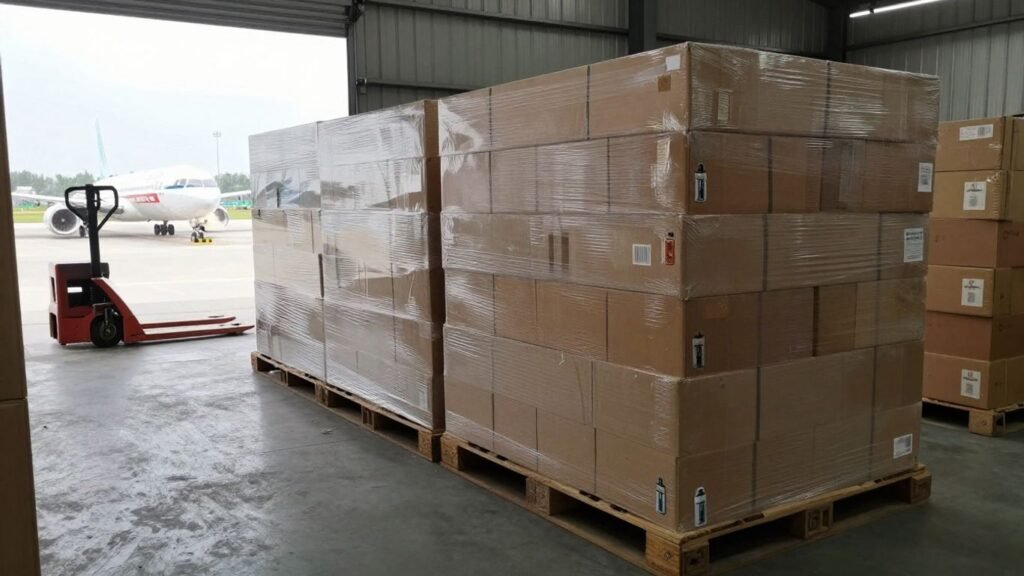
Key Takeaways
There is no single rate for shipping vapes from China to the US: the product, route, shipment size, and carrier rules all affect the final bill. Compare full costs and confirmed service details, not just the headline freight price.
- Air, sea, and express services price shipments differently; urgency and cargo size help narrow the options.
- Chargeable weight, pickup and delivery locations, and seasonal surcharges can change a quote.
- Batteries and e-liquids may trigger product-specific carrier, packaging, and documentation requirements.
- Duties, taxes, brokerage, insurance, and final delivery can sit outside the freight charge.
- Give carriers precise product and carton details, and confirm acceptance for the route before booking.
Typical vape shipping costs from China to the US
The vape shipping cost from China depends on more than the distance between the supplier and the US address. Freight quotes can change with the transport mode, chargeable weight, route, and requirements for the exact vape product. Because carriers may apply different rules to devices, batteries, and liquids, treat any early estimate as provisional until the shipment details have been reviewed.
Compare indicative air, sea, and express rates
Without dimensions, weights, product specifications, and an origin and destination, a dollar estimate would be guesswork. As a broad comparison, express courier is often priced at a premium for small, urgent shipments; air freight can suit shipments that need a balance of speed and size; and sea freight may have a lower transport cost per unit for larger loads, with longer transit and additional destination charges to consider. These are relative patterns, not guaranteed rates.
A quote should make the service being compared clear. This table summarizes the main cost pattern without implying a universal price:
| Method | Typical cost pattern | Often worth comparing when | Cost details to confirm |
|---|---|---|---|
| Express courier | Higher per unit for small shipments | Timing is tight and the carrier accepts the goods | Remote-area, handling, and clearance charges |
| Air freight | Mid-range, affected by chargeable weight | The load is too large for courier but time still matters | Minimum charge, dimensional weight, and delivery scope |
| Sea freight | Often lower transport cost per unit on larger loads | Volume is substantial and timing is flexible | Port, destination, handling, and final-mile charges |
Use the table to decide which options deserve a detailed quote, not to predict the final invoice. A sea-versus-air freight comparison can help frame the trade-off between time, volume, and total handling costs.
Understand minimum charges and per-kilogram pricing
Air and express quotes may be calculated using chargeable weight, while sea freight may be priced by volume, container space, or a minimum shipment amount. A low per-kilogram figure does not necessarily mean a low total: minimum charges and fixed handling fees can weigh heavily on a small consignment. Ask how the quoted rate is applied and whether the shipment meets the service’s minimum billing threshold.
For a useful cost comparison, distinguish the main freight charge from fees that may be added separately. A supply-chain cost and visibility tool addresses a broader management problem, but the same practical principle applies here: make each cost and responsibility visible before deciding.
Check which fees a freight quote includes or excludes
A quote is only comparable when its scope is clear. Before treating two offers as alternatives, check what happens between the supplier’s door and your receiving address, and which costs are billed at origin, during transit, or at destination. Kunpeng Freight can coordinate supplier pickup, cargo inspection and consolidation, export handling, and final delivery; the quoted scope still needs to be checked for your particular shipment.
A compact fee check helps reveal what the headline figure leaves out:
- Pickup from the supplier and any origin handling.
- Export paperwork, freight, and product-specific handling.
- Customs brokerage, duties, and taxes, if included in the service.
- Destination handling and delivery to the final address or warehouse.
Ask for the applicable charges to be itemized and identify which are estimates, which are fixed, and which depend on customs or carrier decisions. A complete comparison is based on the same route and service scope, not just the same mode.
How shipping method changes the price
The shipping method changes both the freight charge and the surrounding costs. A faster service may reduce the time cargo spends in transit, but it can have higher minimums or stricter acceptance conditions. The right comparison depends on shipment size, timing, route availability, and whether the carrier will accept the specific vape products.

Air freight balances speed and shipment size
Air freight is often considered when a shipment is time-sensitive but too large or complex for a standard courier service. Its billable weight may reflect either actual weight or dimensional weight, whichever the carrier uses for charging. Battery configuration and liquid contents can also affect whether a particular air service is available and what handling it requires.
Before pricing this option, send accurate specifications and ask the forwarder to confirm the route and service scope. This air-freight planning guide for vape cargo covers the relationship between product classification, battery documentation, packaging, and booking details. A rate that excludes special handling or destination delivery is not directly comparable with a door-to-door offer.
Sea freight lowers costs for larger loads
Sea freight can be cost-efficient for larger shipments when the importer has enough time to accommodate ocean transit and port handling. The total is not simply a container or ocean rate: volume, consolidation, origin charges, destination charges, customs, and the final delivery leg all matter. Small shipments may also face minimums or handling costs that reduce the apparent advantage.
For a shipment made up of goods from several suppliers, ask whether consolidation is available and how cargo is measured and handled before departure. Kunpeng Freight coordinates supplier pickup and consolidation, with pickup counts, photographs, and measurements used as part of the cargo handover process. The usefulness of consolidation depends on the actual suppliers, cargo readiness, and route.
Express courier suits small, urgent shipments
Express courier may suit a compact shipment when speed and a simplified handoff matter more than the lowest transport cost. Yet vape acceptance is not automatic: a courier’s rules can vary by product type, route, and destination. Confirm that the service accepts the exact device, battery, and liquid configuration before comparing its price with air or sea freight.
Check what the courier price covers, including collection, customs processing, surcharges, and final delivery. A useful quote also states the transit estimate and the conditions that could change it, such as carrier review or customs inspection. For a practical express vape shipping checklist, focus on eligibility, written acceptance, shipment details, and total charges.
What affects vape shipping cost from China
Two shipments with the same gross weight can have different freight charges. Package dimensions, supplier location, delivery address, route, and timing all influence the quote, and a product’s battery or liquid content can change the available service. The best estimate starts with verified cargo information rather than a product category alone.
Calculate chargeable weight from dimensions and gross weight
For air freight, chargeable weight is generally based on the higher of actual gross weight and dimensional weight, according to the carrier’s calculation method. Dimensional weight accounts for the space a carton occupies; bulky, light packages can therefore cost more than their scale weight suggests. The divisor and rounding rules vary by service, so get the calculation used in writing.
Measure each packed carton rather than relying only on factory product dimensions. A chargeable-weight calculation guide explains why the billable figure may differ from the number on a scale and why packaging dimensions matter. Better measurements make the first quote more useful and reduce the risk of a late adjustment.
Factor in pickup location, destination, and delivery service
A factory near a major export hub may have different pickup and routing costs from a supplier in another region. At the US end, the receiving address also matters: delivery to a commercial warehouse, residential address, port, or fulfillment center can involve different access and handling requirements. If the goods come from multiple suppliers, collection and consolidation add steps that should be shown in the quote.
Before requesting a price, map the service from the supplier’s location to the exact receiving point. You can also compare China-to-US shipment planning considerations such as origin pickup, freight mode, carrier restrictions, and delivery scope. A port-to-port rate and a delivered rate describe different services, even when the ocean route is the same.
Account for peak seasons, fuel surcharges, and route changes
Rates can move as capacity, fuel costs, carrier schedules, and routing conditions change. Peak periods may tighten space availability, while a route change or schedule disruption can alter the time and charges for a shipment. An estimate made before cargo is ready may therefore need to be refreshed at booking.
Ask how long the offer is valid and whether fuel, peak-season, security, or other surcharges are included. Some price comparisons in other sectors, such as gold market analysis, concern changing market conditions; freight rates have their own drivers and should be checked against the actual booking window. Confirming validity and route assumptions makes an estimate easier to budget around.
Vape-specific cargo rules and added costs
Vapes are not one uniform cargo category. A shipment may include a device, a built-in or packed lithium battery, prefilled pods, e-liquid, or separate batteries, and each configuration can raise different transport and import questions. Carrier policies and destination requirements need to be checked for the specific goods, not inferred from another product’s shipment.
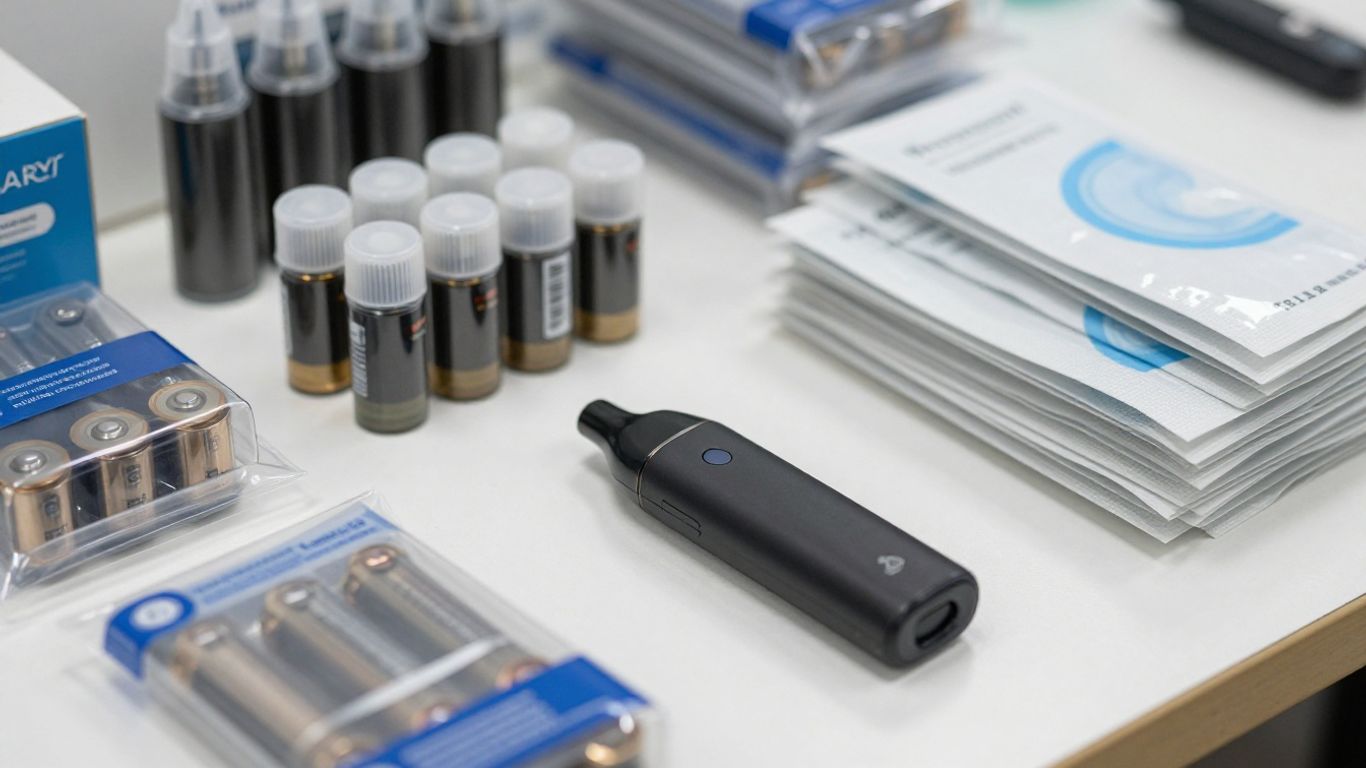
Check restrictions for lithium batteries and e-liquids
Lithium batteries and liquid contents can affect transport eligibility, packaging, documentation, and carrier choice. Rules differ by mode and by the details of the product, such as whether batteries are installed or packed separately and what the liquid contains. Do not assume that a service accepting one vape type will accept every device or e-liquid shipment.
Provide the carrier with the product model, battery specifications, liquid details, and configuration, then ask for written confirmation of acceptance for the planned route. This guide to dangerous-goods checks for vapes outlines why the mode, battery, liquid, and accurate product information all matter. Import eligibility in the US should also be verified before the goods leave the supplier.
Prepare product details, safety documents, and compliant packaging
Ask the supplier for product-specific documents and confirm with the carrier which versions are required for the intended service. Depending on the product and route, the carrier may request battery test information, a safety data sheet, or other supporting material; requirements vary, and a document by itself does not approve a booking. Product names, quantities, and descriptions should agree across the invoice, packing list, and transport paperwork.
Packaging must match the accepted classification and the carrier’s instructions. A shipping guide for e-cigarette exports discusses documentation and packaging considerations, but the requirements for an individual shipment should be confirmed with the booked provider and applicable authorities. Do not substitute a document for one product with a report that describes a different model or battery.
Allow for inspections, handling limits, or carrier surcharges
A carrier may request more information, decline the cargo, or apply handling conditions after reviewing the details. Customs may also inspect a shipment, adding time or charges outside the forwarder’s control. Budget for the possibility of review rather than assuming that a quote means automatic acceptance or clearance.
Confirm who will respond if a carrier or customs officer asks for additional information, and how any storage or inspection-related charges are handled. Kunpeng Freight supports import paperwork and customs documentation, while carrier acceptance and customs decisions remain dependent on the shipment and relevant authorities. Getting the responsibilities clear before dispatch helps avoid surprises when a question arises.
Calculate the shipment’s total landed cost
The freight charge is only one part of the cost of receiving imported goods. A realistic landed-cost estimate combines transport, clearance, import charges, handling, insurance if purchased, and delivery to the final location. The exact components depend on the chosen service and agreed responsibilities, so check the quote and sales terms together.
Separate freight charges from customs duties and taxes
Freight pays for transport and the services listed in the offer; customs duties and taxes are separate unless the quote explicitly includes them. The amount due depends on factors such as product classification, declared value, origin, and applicable US requirements. Confirm the classification and customs treatment with a qualified customs professional rather than relying on a generic vape rate.
Ask which party is responsible for preparing the entry, paying import charges, and supplying any supporting documents. Keep product descriptions and values consistent across the commercial invoice, packing list, and customs declaration. The total should make clear which amounts are known, which are estimates, and which depend on customs assessment.
Compare DDP with other Incoterms and delivery arrangements
DDP may bundle more of the shipping and import process into a delivered price, while other Incoterms allocate tasks, costs, and risk differently between buyer and seller. The label alone does not tell you what a provider includes in its offer. Check who is importer of record, who pays duties and taxes, and what happens if an inspection or extra delivery charge occurs.
Compare the written service scope, not just the term used in an email or invoice. In the same way a buyer might review safari pricing inclusions before comparing trip budgets, a freight buyer should inspect which services and charges are actually included. That analogy is about comparing inclusions; it does not make shipping and travel costs equivalent.
Include customs brokerage, insurance, and final-mile delivery
A door-to-door estimate may include brokerage and last-mile delivery, or it may list them separately. Insurance is also distinct from freight and should be reviewed for coverage, exclusions, valuation, and claims requirements. Make sure the receiving address, delivery conditions, and any warehouse appointment requirements are reflected in the service description.
Kunpeng Freight coordinates import paperwork assistance, customs documentation support, and final delivery as part of its broader China-to-destination freight coordination. Confirm the actual services and charges on the quote for your shipment. When comparing a bundled service with separate providers, add every leg and fee before deciding which option costs less overall.
Get and compare accurate shipping quotes
A useful quote begins with details that let a forwarder identify the cargo, calculate its billable size, and check whether a carrier will take it. Product descriptions that simply say “vape” are usually not enough to assess batteries, liquids, packaging, or destination rules. Give the same accurate information to each provider so their offers can be compared fairly.
Provide carton dimensions, weights, quantities, and product details
Send the number of cartons, packed dimensions, gross weight per carton, total quantity, and supplier pickup location. Describe the exact product type and include relevant battery and liquid details, plus any available supporting documents. If you have several suppliers, identify each pickup and say whether consolidation is requested.
Verified details also help avoid a quote based on incorrect assumptions. Kunpeng Freight can coordinate cargo inspection and consolidation, including recording pickup counts, photographs, and measurements, so the shipment details can be reviewed before transport is arranged. The information should still be checked against the final packed goods and documentation.
Request an itemized quote with transit time and service scope
Ask the provider to itemize origin charges, transport, destination handling, customs-related services, and final delivery, noting any duty or tax exclusions. Request the estimated transit time, route, quote validity, and any conditions that could change the price or service. For regulated cargo, ask whether the quote assumes acceptance and what written confirmation is still needed.
A careful quote is not necessarily the one with the most line items; it is the one that makes the service and assumptions understandable. When reviewing a vape shipping guide for the UAE, for example, destination eligibility and customs are central topics; for a US shipment, verify the applicable US requirements instead. Details for one destination should not be treated as rules for another.
Compare like-for-like options and verify vape acceptance before booking
Compare offers for the same cargo, origin, destination, delivery point, and service scope. Check whether one price is port-to-port while another includes pickup and final-mile delivery, and whether either excludes duties, taxes, inspections, or surcharges. Confirm that each carrier accepts the exact vape configuration on the proposed route before paying or handing over cargo.
Choose based on total cost, timing, responsibilities, and the likelihood that the service fits the shipment—not on a low headline rate alone. Ask for written confirmation of product acceptance and keep the quote, paperwork, and product description aligned. This final check can prevent avoidable rebooking and clarify who handles a request for further information.
Conclusion
The cost of shipping vapes from China to the US is shaped by freight mode, chargeable weight, route, product configuration, and the costs beyond transport. Start with verified carton and product details, compare itemized offers on the same service basis, and confirm carrier acceptance and import responsibilities in writing. That approach gives you a more realistic landed-cost estimate before the shipment leaves the supplier.
Frequently Asked Questions
How much does it cost to ship vapes from China to the US?
There is no reliable single price without shipment weight, carton dimensions, product details, route, and service scope. Request current, itemized quotes using the same information for each provider.
Is air or sea freight cheaper for vape shipments?
Sea freight may offer a lower transport cost per unit for larger shipments, while air freight may suit smaller or more time-sensitive loads. Minimums, handling, destination charges, and carrier acceptance can change which option is more cost-efficient overall.
Can I ship vape products by express courier?
Possibly, but acceptance depends on the product configuration, route, carrier policy, and destination rules. Confirm acceptance in writing before booking, especially when batteries or e-liquids are involved.
How is chargeable weight calculated for air freight?
A carrier generally compares the shipment’s actual gross weight with its dimensional weight and bills according to its applicable method. The calculation divisor and rounding rules can vary, so ask the provider how it arrived at the quoted weight.
Are customs duties and taxes included in a freight quote?
Not necessarily. Check whether the quote includes customs brokerage, duties, taxes, destination handling, and final delivery, or whether those will be billed separately.
What documents may be needed to ship vapes?
Requirements vary by product, carrier, route, and mode. A provider may ask for product specifications and supporting battery or safety documents, so confirm the exact requirements for the shipment rather than relying on a generic checklist.
What information should I send to get an accurate quote?
Provide the supplier and destination addresses, carton count, packed dimensions, gross weights, quantities, exact product description, battery and liquid details, and any available supporting documents. Also state the delivery service you need and whether goods from multiple suppliers should be consolidated.