Key Takeaways
Shipping disposable vapes internationally depends on destination rules, transport restrictions, and accurate paperwork—not simply on finding a carrier. Treat each shipment as a product-specific compliance check before you book.
- Verify that the devices, e-liquids, and nicotine products may be imported to the destination.
- Get written carrier acceptance for the exact products and route before dispatch.
- Collect battery test information, product details, and packaging requirements from the supplier.
- Keep the invoice, packing list, product declarations, and shipment contents consistent.
- Plan for customs questions, inspections, variable costs, and possible delays.
1. Check whether the destination allows the shipment
Before requesting a freight quote, establish whether the destination permits the specific products you intend to ship. Rules can distinguish between a device, its e-liquid, and the nicotine content, and they may differ for commercial imports and personal parcels. Confirm the destination requirements with the relevant authority or a qualified customs broker; do not assume a product is allowed because it is sold elsewhere.
Verify rules for devices, e-liquids, and nicotine separately
A disposable vape combines several components that may be treated differently under local rules. Check the device, the liquid and its ingredients, and the nicotine strength separately, then ask whether the destination applies product standards, labeling rules, or restrictions to any of them. Keep the manufacturer’s specifications nearby so that your inquiry identifies the actual product rather than a broad category.
Check import limits, permits, and age requirements
Some destinations set limits on quantity, nicotine content, or who may import or receive vape products. Commercial shipments may also require permits or an eligible importer, and age restrictions can apply to the recipient or sales channel. Confirm the rules for the shipment size and transaction you are planning, not just for an individual item.
Confirm the recipient can legally receive commercial vape products
A delivery address alone does not establish that the recipient is authorized to import commercial vape products. Confirm who will act as importer of record, whether that party needs a license or permit, and who will respond to customs questions. If the buyer, consignee, and importer are different parties, clarify their responsibilities before the supplier releases the cargo.
Review current customs and public health rules before placing the order
Regulations and enforcement practices can change, so verify current requirements before paying for goods or scheduling collection. Use official customs and public health sources, and ask a broker about any points that remain unclear. A few unrelated pages—a privacy notice, liposuction techniques, shopping tips, gutter installation, and interstate moving estimates—are not sources for vape import rules; check the subject matter and authority of any page before relying on it. For a shipping-focused overview, this international vape shipping guide can help frame the questions to verify for your particular destination.
2. Choose a compliant shipping route and carrier
Once the destination and recipient are eligible, identify a carrier or freight service willing to handle the exact cargo on the intended route. Acceptance may depend on the device, battery, liquid contents, packaging, shipping mode, and destination. Kunpeng Freight coordinates air, sea, rail, road, and express shipping, but the appropriate option still depends on the shipment details and the carrier’s acceptance.
Ask carriers whether they accept disposable vapes on the destination route
Ask the carrier to confirm acceptance for your specific product and route before you book. Provide clear information about the device, battery configuration, and liquid contents, and request confirmation in writing when possible. A general statement that a carrier handles electronics or international cargo is not confirmation that it will carry disposable vapes to your destination.
Compare air, sea, and specialized cargo services
Different modes can suit different shipment sizes and delivery schedules, but no mode should be selected without checking its cargo rules and route availability. The comparison below is a starting point for questions to ask, not a promise about timing or acceptance.
| Shipping option | Questions to clarify | Consider when |
|---|---|---|
| Air freight | Does the service accept the battery and liquid configuration? | Delivery timing is a priority and acceptance is confirmed. |
| Sea freight | Can the route and handling process accommodate the declared cargo? | The shipment is larger and the schedule allows more flexibility. |
| Rail or road | Is the route available, and how will each transit stage be handled? | The route and cargo are suitable for the service offered. |
| Express service | Does the provider accept commercial vape products on this specific route? | The provider confirms the product and service in advance. |
Use the answers to compare the actual service scope, expected schedule, and quoted charges, rather than comparing a headline rate alone. For China-origin moves, a Shenzhen shipment planning guide also outlines issues to resolve from factory pickup through delivery.
Confirm restrictions for devices with built-in lithium batteries
A battery installed in a disposable device still needs to be described accurately and assessed under the rules that apply to the chosen transport mode. Ask the manufacturer for the battery chemistry, configuration, and capacity, then provide those details to the carrier or forwarder. Requirements can vary by mode and route, so avoid relying on a rule of thumb or documentation for a different model.
Factor in transit time, cost, and the likelihood of inspection
Compare the schedule and full expected charges, including handling, customs brokerage, duties, and taxes where applicable. Customs or carrier checks can add time, and no quoted schedule should be treated as a guarantee that an inspection will not occur. Ask how the quote handles potential storage, examination, or other charges, and leave room in your plan for variables outside the carrier’s control.
3. Prepare the vapes and battery documentation
Before cargo is collected, obtain product information that matches the actual goods being shipped. The same descriptions and battery details should appear in the carrier’s review and in the paperwork used for transport and customs. Consistent product details make it easier to identify gaps early, before a shipment is packed or presented for acceptance.
Request battery specifications and UN 38.3 test documentation
Ask the manufacturer for the battery specifications and applicable UN 38.3 test documentation or test summary for the battery used in the product. Check that the documents correspond to the exact model and configuration in your order. If the supplier cannot show that the documents match, raise the issue with the carrier or a dangerous-goods specialist before booking.
Obtain safety data sheets and product details from the manufacturer
Request a safety data sheet when available or required by the carrier, and gather product details such as ingredients, nicotine content, liquid volume, and device model. An SDS can support a carrier’s review, but it is not a universal shipping permit or a substitute for destination approval. This SDS and MSDS shipping guidance explains why document requirements can differ by route and service.
Check packaging requirements for lithium batteries and liquid contents
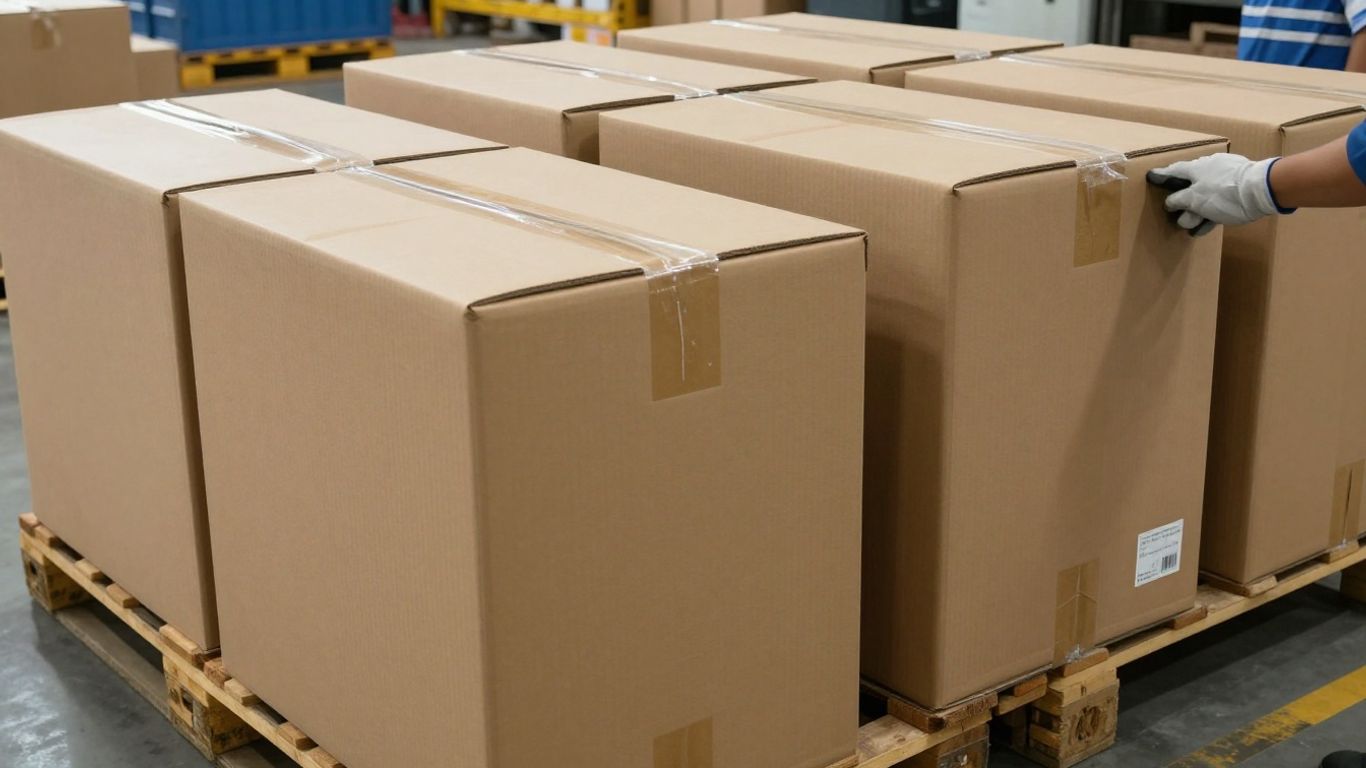
Confirm the carrier’s packaging instructions for the battery and liquid components before cartons are sealed. Packaging may need to prevent movement, damage, leakage, or unintended contact with battery terminals; the exact requirements depend on the shipment and applicable rules. For a fuller packing reference, use this vape freight packaging guide alongside the carrier’s instructions.
Keep required marks and labels visible and accurate
Apply only the marks and labels required for the specific shipment, and make sure they remain visible and legible after packing. Do not add a battery or dangerous-goods mark based on assumption; confirm the applicable requirements with the carrier or qualified specialist. The information on the package should agree with the supporting documents and the cargo itself.
4. Prepare export and import paperwork
Paperwork should describe what is in the shipment, how much it is worth, and who is responsible for each stage. Ask the supplier and importer to review the details before dispatch, because changes made after collection can create additional handling or delay. Kunpeng Freight provides import paperwork assistance and customs documentation support as part of its freight coordination; the importer remains responsible for confirming applicable legal requirements.

Create a commercial invoice with a precise product description and value
Describe the goods plainly and specifically on the commercial invoice, including the product type and relevant model or composition details. State the transaction value accurately and ensure the seller, buyer, consignee, and currency information are correct. Vague descriptions or inconsistent values can prompt questions and make it harder to match the documents to the cargo.
Match the packing list to the shipment’s contents and quantities
Use the packing list to show the packages, quantities, and other shipment details that customs and handling teams need to identify the cargo. Before finalizing it, compare the list with the supplier’s packing records and the cartons prepared for collection. Each document should describe the same shipment, including any variation in models or quantities.
Confirm the applicable HS code with a customs broker or authority
An HS code classifies goods for customs purposes, and the correct code depends on product characteristics and destination rules. Do not select a code solely because it was used for a different vape, market, or shipment. Ask a customs broker or authority to confirm the classification for the products you are importing.
Gather any required export, import, or product compliance documents
The documents required will depend on the origin, destination, product, and shipping service. Build a short document set with the parties responsible for preparing each item, so missing information is found before booking. Common records to ask about include:
- Battery specifications and applicable UN 38.3 documentation.
- Product details and any required safety data sheet.
- Commercial invoice and matching packing list.
- Destination permits or product compliance records, if required.
Use that list as a prompt for verification, not as a universal set of documents for every route. A customs or carrier review may identify other requirements, so confirm the final document set for the specific shipment before cargo leaves the supplier.
5. Book and dispatch the shipment from China
With eligibility, carrier acceptance, and documents checked, coordinate the handover from the supplier and confirm what the booking includes. Make sure everyone understands who arranges pickup, export handling, import clearance, duties, taxes, and final delivery. Kunpeng Freight coordinates supplier pickup and shipment delivery, with the route and responsibilities based on the agreed service.
Share product and battery details with the carrier before booking
Send the product description, battery information, liquid details, package count, and supporting documents before asking the carrier to finalize the booking. The carrier can then assess the actual goods and flag missing information or restrictions. If the supplier changes the model, packaging, or quantity, update the carrier rather than assuming its earlier acceptance still applies.
Declare the goods accurately and never mislabel or conceal vape products
Describe the cargo truthfully in shipping documents and declarations. Mislabeling or concealing vape products can lead to rejection, customs action, added costs, or other serious consequences. If a carrier will not accept the shipment as declared, do not try to route it under a false description; find a lawful alternative after checking the rules.
Confirm who handles export clearance, import duties, and taxes
Before booking, agree who will prepare export documents and who will manage import formalities and payment of duties or taxes. Incoterms can help define responsibilities between buyer and seller, but they do not replace carrier acceptance or destination compliance checks. Ask the forwarder to identify which services are included in the quote and which charges remain payable by the importer or recipient.
Keep booking records and tracking details for the recipient
Save the booking confirmation, carrier acceptance, invoice, packing list, and tracking reference in one place. Share the tracking details and the expected responsibilities with the recipient so they know who to contact if customs requests more information. Retain copies of any amended documents and carrier instructions as well.
6. Manage customs clearance and delivery
Dispatch is not the final step: the shipment still needs to move through export handling, transport, import clearance, and delivery. Track its progress and keep the importer or broker available to answer questions. Kunpeng Freight coordinates customs documentation support and final delivery as part of its freight services, while customs decisions and any applicable charges remain subject to the relevant authorities and shipment terms.
Monitor tracking and respond promptly to customs document requests
Check tracking updates regularly and make sure the recipient can be reached during the clearance period. If customs or the carrier asks for a document or clarification, respond with accurate information that matches the original declaration. Keep a record of what was sent and when, especially if a corrected document is requested.
Prepare for inspections, delays, or additional fees
A customs examination or carrier review can affect timing and may involve charges such as storage or inspection fees, depending on the circumstances. Ask the service provider how it will notify you, who can authorize extra costs, and what information may be needed. A budget that allows for possible additional charges is more useful than one based only on the initial freight quote.
Check the shipment on arrival and document damage or missing items
When the shipment arrives, inspect the cartons and compare the received quantity with the packing list. Photograph visible damage and record missing or affected items before discarding packaging. Report discrepancies promptly to the relevant carrier or supplier and follow the claim process that applies to the booking.
Ask the carrier about rejected shipments, returns, or compliant disposal options
If a shipment is refused, held, or found ineligible, ask the carrier what options are available under its rules and the destination’s requirements. A return may require new approvals or paperwork, and disposal must follow applicable local requirements. Do not arrange a reroute or return until the parties responsible have confirmed it is permitted.
Conclusion
Shipping disposable vapes from China requires the destination, carrier, cargo details, and paperwork to line up before dispatch. Verify the rules and acceptance for the exact shipment, keep every declaration accurate, and plan for clearance questions and variable costs. A careful process cannot remove every delay, but it gives you a clearer basis for making lawful shipping decisions.
Frequently Asked Questions
Can disposable vapes be shipped internationally?
It depends on the destination’s import rules, the product’s components, and whether a carrier accepts the goods on the specific route. Verify each point before placing the order or booking transport.
What should I check before ordering vapes from China?
Confirm that the destination permits the product and that the intended importer can receive it. Then verify product details, applicable permits, carrier acceptance, and the paperwork and costs required for the route.
Do disposable vapes require battery documentation?
Carriers may request battery specifications and applicable UN 38.3 documentation. Requirements depend on the product, transport mode, route, and carrier, so ask before booking.
Is an SDS enough to ship vape products?
No single document is a universal shipping approval. An SDS may support a carrier review, but it does not replace destination eligibility checks, battery documents, customs paperwork, or carrier acceptance.
Which shipping method should I use?
Compare available air, sea, rail, road, or express services based on shipment size, schedule, route, and confirmed acceptance. The appropriate option depends on the actual cargo and the service available for the destination.
What paperwork is commonly requested?
A commercial invoice and packing list are common starting points, and carriers may request product or battery records. Destination authorities may also require permits or compliance documents, so confirm the complete set for your shipment.
What happens if customs rejects a shipment?
Contact the carrier and importer to learn the reason and the permitted next steps. Depending on the rules and circumstances, options may be limited to correcting documents, arranging an approved return, or compliant disposal.