Key Takeaways
Reliable vape shipments start with accurate product details and destination-market checks, not with a freight booking. Plan each handover, document, and delivery step before cargo leaves the supplier.
- Identify the device, battery configuration, liquid contents, carton count, and dimensions before requesting a quote.
- Check destination rules and carrier acceptance for the specific products and route.
- Compare air, express, ocean, and multimodal options against urgency, volume, and handling requirements.
- Keep invoices, packing lists, product descriptions, and supporting records consistent.
- Clarify costs, responsibilities, and delivery milestones with the supplier, forwarder, broker, and importer.
How Shenzhen vape logistics works
Shenzhen vape logistics involves more than moving cartons from a factory to an airport or port. The shipment needs to be identified accurately, checked against carrier rules, and matched to the import requirements of its destination. A clear plan also assigns each task—from pickup to final delivery—to a responsible party. Treat the shipment as a sequence of handovers, with records that follow the cargo.
Trace the shipment from factory pickup to final delivery
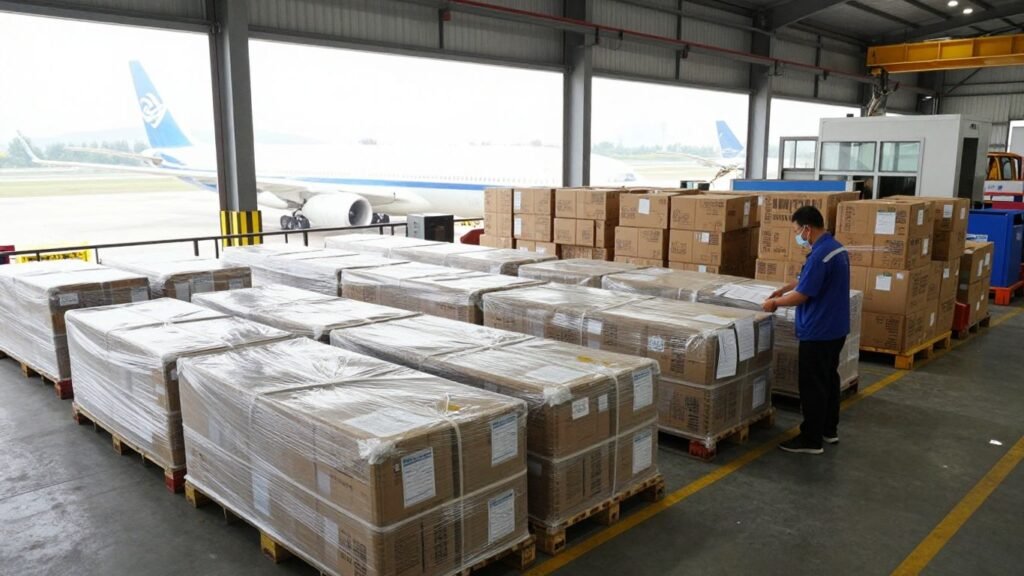
Start by confirming where the cargo is ready, who can release it, and whether the supplier has finished packing. At pickup, verify carton counts and record dimensions and weights; photographs can help resolve questions about condition or packing later. Then map the expected steps: collection, consolidation if needed, export handling, main transport, import clearance, and delivery to the agreed address. The Shenzhen vape shipping guide also covers this factory-to-destination flow and the value of checking shipment details early.
A milestone plan makes delays easier to locate. If the supplier has not released the cargo, the issue is different from a missed carrier cutoff or a customs inspection. Agree in advance how updates will be shared, and make sure the importer knows which party to contact when a milestone changes.
Identify the product type, battery configuration, and liquid contents
“Vape products” is too broad a description for a useful transport assessment. A disposable device, refillable hardware, a standalone battery, and bottled e-liquid can each raise different handling, documentation, and import questions. Share the exact product type, battery details, liquid volume and contents, and whether products are packed together or separately. Keep these descriptions consistent when suppliers, forwarders, and brokers discuss the shipment.
Plan for consolidation, export handling, and destination-country delivery
When goods come from multiple factories, consolidation can bring them together before export, but it adds coordination: each supplier must meet the receiving deadline and provide matching cargo details. Ask how incoming cartons will be identified and whether the consolidated shipment will be checked before dispatch. For a useful parallel on multi-supplier stock, SIP19 describes centralized inventory, order preparation, and multi-site shipping; its subject is different, but the need for clear stock and dispatch records is familiar.
Before goods move, confirm which party handles export paperwork and which party arranges destination clearance and delivery. The international vape shipping guide provides another overview of the freight, customs, and delivery decisions involved. Verify the current requirements for your own products and destination rather than assuming one route or process applies everywhere.
Coordinate responsibilities among the supplier, forwarder, broker, and importer
A shipment can stall when two parties assume the other is handling a task. The supplier may provide product specifications and packing details, while a forwarder coordinates transport and export handling. The importer is responsible for confirming that the goods may enter the destination market, and a customs broker can advise on entry declarations and clearance steps. Agree on the handoffs and response times before pickup.
Some import rules apply to products other than vapes, so use sources within their stated scope. For example, the UAE health guide covers travel medicines and permits, not vape imports; it is a reminder that destination-specific rules must be checked for the actual goods being shipped. Confirm vape requirements with the relevant authorities and your broker.
Choose a shipping mode that fits the cargo
No transport mode suits every vape shipment. Urgency, cargo volume, product configuration, destination, and carrier acceptance all affect the practical choice. A written comparison should account for more than the headline freight charge: handling, clearance, and final delivery can change the total cost and schedule. The following trade-offs are starting points, not a promise that a particular service is available for every cargo or route.

Compare air express with standard air freight
Air express can be convenient for eligible smaller shipments when a carrier accepts the products and route. Standard air freight may suit cargo that needs an air service but does not require an express courier workflow. In either case, confirm the carrier’s acceptance of the exact vape configuration before dispatch; battery or liquid contents can affect the answer. Ask whether the quote includes collection, export handling, destination clearance, and delivery.
A simple comparison helps reveal what the quoted service actually covers.
| Shipping approach | Often considered when | Check before booking |
|---|---|---|
| Air express | A smaller shipment is time-sensitive | Product and route acceptance, clearance scope, and surcharges |
| Standard air freight | Air transport is needed for a larger or less urgent consignment | Chargeable weight, handling requirements, and final delivery arrangements |
| Ocean freight | Volume is substantial and the schedule is flexible | Container or consolidation plan, port charges, and destination delivery |
| Multimodal service | Route or cost needs justify combining transport modes | Transfer points, responsibility at each handover, and total transit estimate |
Use the comparison to narrow the options, then request a quote based on confirmed cargo measurements and specifications. A service description that sounds suitable is not a substitute for written confirmation that the carrier will accept the shipment.
Check dangerous goods requirements before booking air cargo
Battery configuration, how batteries are packed, and whether e-liquid is present may affect how air cargo is classified and handled. Provide the forwarder with accurate product information and available safety or test documents before requesting a booking. Do not rely on a generic description such as “electronics” if the cargo contains vape devices, batteries, or liquid. The 2026 shipping overview discusses documentation and packaging considerations for international vape shipments; use current carrier and regulatory guidance for the specific route.
Acceptance may depend on the carrier, route, shipment preparation, and applicable rules. Ask what documents and packaging are required for the actual configuration, and get a clear answer before cargo is handed over. If those details change, pause and request a new assessment rather than assuming the original approval still applies.
Evaluate ocean freight for larger shipments and longer lead times
Ocean freight may be worth considering when the shipment is larger and the importer can plan around a longer, variable schedule. Compare full-container and consolidated cargo options where available, including the work required to collect, load, and deliver the goods. Port handling, customs processing, and inland delivery are part of the overall plan, not minor details to leave until arrival. The bulk vape ocean freight guide covers these considerations in more detail.
Ask for an estimate that distinguishes the ocean leg from origin and destination services. Transit time alone does not describe the full timeline: cargo readiness, vessel schedules, port handling, inspections, and delivery appointments may all affect when stock is available for sale.
Consider multimodal options when cost, timing, and routing allow
A shipment may use more than one transport mode when routing, availability, or timing makes that arrangement practical. The trade-off is additional handovers, each of which needs a clear owner and a record of the cargo’s status. Ask where transfers occur and how the shipment will be tracked between them. Include any extra terminal handling or coordination charges in the cost comparison.
Prepare vape products for compliant transport
Preparation starts before cartons are closed. Gather product specifications, confirm the destination’s current rules, and check whether the proposed carrier accepts the goods on the intended route. Requirements can differ by device design, battery setup, liquid contents, and market, so one shipment’s paperwork should not automatically be reused for another. A guide to disposable vape shipments offers a product-specific checklist, but the details still need to be confirmed for your cargo and destination.
Collect product specifications and safety data before requesting a quote
A forwarder can assess a shipment more usefully when the request includes concrete product and cargo details. Collect the information from the manufacturer or supplier, and flag anything the supplier cannot confirm. Avoid relying on product marketing descriptions as a substitute for technical specifications. Keep a version of the information that the importer, broker, and transport provider can all review.
For a first request, assemble a concise product file with details such as:
- Product type and model, including whether it is disposable, refillable, or hardware only.
- Battery type, quantity, configuration, and whether batteries are installed in devices.
- Liquid contents and volume per unit, where applicable.
- Carton count, outer dimensions, gross weight, and packing arrangement.
This file gives the transport provider a clearer basis for checking acceptance and quoting. If the supplier revises a specification or changes the packing, update the file and share the change before booking.
Confirm lithium battery classification and required test documentation
Do not guess how a battery should be classified from the device name alone. Ask the manufacturer for the battery’s technical details and any applicable test documentation, then have the forwarder or other qualified party confirm what is needed for the intended transport mode. A product’s battery configuration and installation status can change the assessment. The UN38.3 vape air freight guide focuses on battery documentation and air transport topics; confirm which records apply to your own shipment.
Battery knowledge does not transfer automatically across product categories. For instance, the Freedom Won guide concerns stationary energy storage and its battery systems, rather than vape-device shipping. Keep technical references within their intended scope, and use the documentation for the specific batteries in your cargo.
Package and mark batteries and e-liquids according to applicable rules
Packing should protect the goods from movement, accidental activation, short circuits, and leakage, while meeting the requirements that apply to the shipment. Ask the carrier or forwarder to confirm the specific packaging, marks, and labels before dispatch. Liquids need secure containment, and fragile components should be protected from impact. Do not apply labels based on assumptions: incorrect or missing marks can create delays or require repacking.
A final packing check should compare what is physically in each carton with the product information and shipping documents. If the package configuration changes after review, share updated details so acceptance and documentation can be checked again.
Verify destination-market restrictions on devices, nicotine, and flavors
Transport acceptance does not establish that a product is legal to import or sell. Check destination rules for the device, nicotine content, liquid volume, flavors, labeling, and any product authorization or importer requirements that may apply. The rules can differ across countries and may change, so use official sources and local professional advice. The commercial vape import guide explains why import eligibility and carrier acceptance are separate checks.
If you sell into multiple markets, maintain a separate compliance review for each destination rather than treating one country’s approval as universal. Confirm the importer’s obligations before the supplier packs or releases the order.
Organize export and import documentation
Documents should describe the same shipment in the same way. Product names, quantities, carton counts, weights, values, and country-of-origin details need to align across the commercial invoice, packing list, and supporting records. A broker can explain the destination’s entry process, but the importer remains responsible for providing accurate information and checking its obligations. Keep signed or final copies together with the product specifications used to arrange transport.
Match the commercial invoice and packing list to the physical shipment
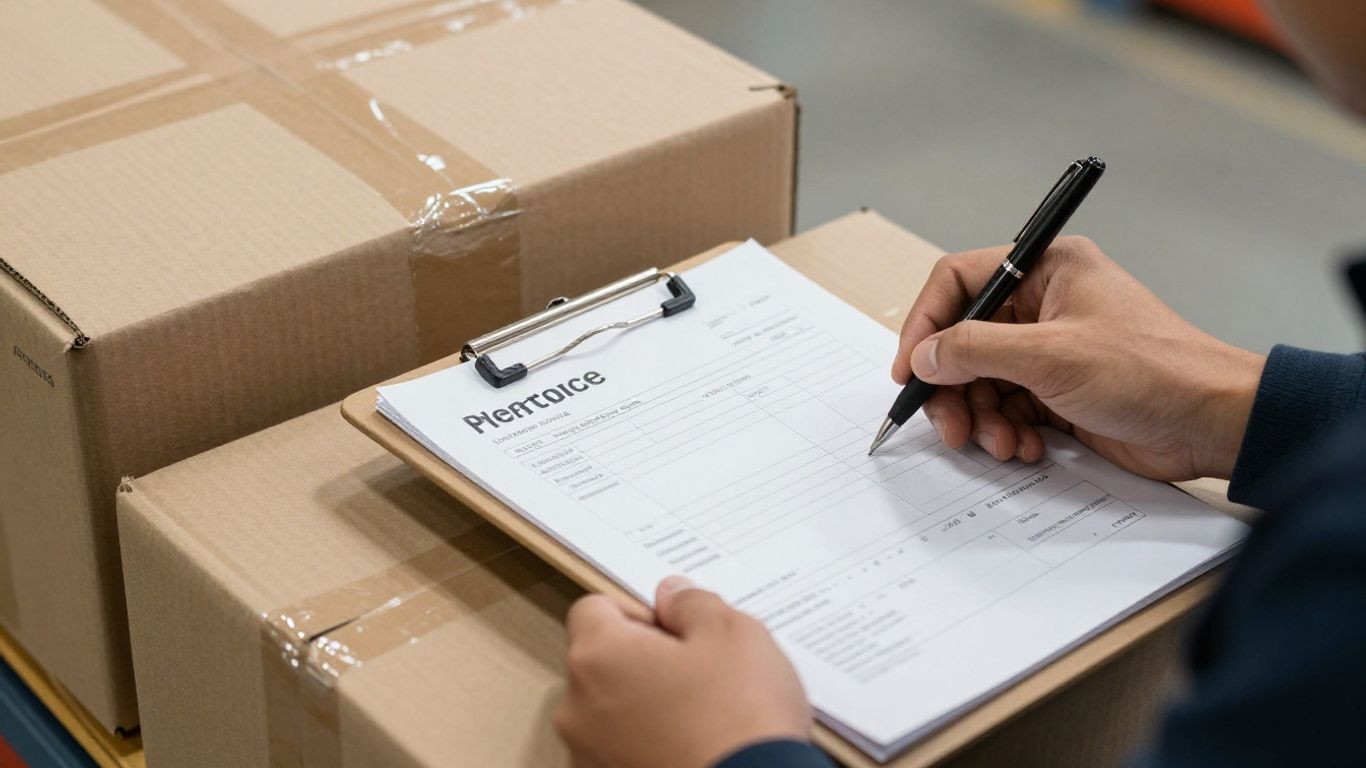
Before the cargo leaves the supplier, compare the final invoice and packing list against the cartons that will actually move. Check quantities, descriptions, weights, and packing units; an order that changed during production can leave documents out of date. If cartons from multiple suppliers are consolidated, make sure the records distinguish the goods clearly while describing the combined shipment consistently. The international vape packing guide also discusses aligning package details with the shipment information.
A mismatch is easier to correct before export than after the goods are in transit. Store the final documents where the importer, forwarder, and broker can access the same version, and replace drafts clearly rather than allowing several versions to circulate.
Confirm product descriptions, HS codes, declared values, and country of origin
Descriptions should be specific enough to reflect the goods, without disguising what they are. Work with the importer or customs broker to check the appropriate tariff classification for the destination; do not select an HS code solely because it was used for an earlier order. Declared values and country-of-origin details should be supported by the commercial records. If a classification or value is uncertain, resolve the question before filing rather than correcting it under pressure at arrival.
Check importer registrations, permits, and broker requirements
Ask the importer and broker what registrations, permits, or product approvals are needed before booking. Requirements vary by destination and product type, and some need to be completed well before the cargo arrives. Confirm who will submit each document and how the forwarder should receive clearance instructions. A travel guide about Seine cruise planning is outside freight compliance, but it illustrates a useful distinction: information must be relevant to the activity at hand. For vape imports, rely on the destination’s customs and product authorities, not unrelated travel guidance.
Prepare for duties, taxes, excise charges, and customs questions
Import charges may include duties, taxes, excise, brokerage, and other destination fees, depending on local rules and the goods. Ask the broker to explain which charges may apply and which party is expected to pay them. Keep product specifications, purchase records, and any requested permits available in case customs asks for clarification. The vape shipping guide for the UAE discusses destination-specific import planning; its market details should not be assumed to apply elsewhere.
Estimate costs and delivery timelines
A useful estimate starts with real cargo details and an agreed service scope. Compare the route, mode, pickup location, shipment size, handling needs, and final delivery requirements, then check what is included in each quote. Transit estimates are planning ranges, not fixed guarantees: carrier schedules, inspections, and operational changes can affect the actual arrival. If you are reviewing other market examples, the US vape shipping cost guide describes factors that can affect pricing on that route.
Compare freight charges with handling, security, and dangerous goods fees
Freight is only one part of the landed logistics cost. Request an itemized quote that identifies origin pickup and handling, any applicable security or special-cargo charges, main transport, customs-related services, and final delivery. Ask which costs are estimates and which are based on confirmed cargo details. This makes it easier to compare two offers that may use different assumptions or include different steps.
Account for pickup, export clearance, transit, and destination processing
Build the schedule from cargo readiness rather than counting only the time in the air or at sea. Pickup availability, document review, export handling, carrier cutoff times, transit, import clearance, and delivery appointments all sit within the total timeline. If the goods are not ready when expected, the booked service may need to change. For businesses handling wider distribution, a China logistics archive covers shipping topics across routes and modes, including documentation and customs planning.
Review Incoterms to clarify who pays costs and manages each shipment stage
Incoterms help specify responsibilities and the point at which costs or risks transfer between seller and buyer. Confirm the agreed term in the sales contract and make sure it matches the actual arrangements for pickup, export formalities, freight, insurance, import clearance, and delivery. If a party is expected to manage a step, name that party explicitly. Ask your broker or trade adviser to clarify the implications when the contract language is unclear.
Build contingency time for inspections, route changes, and carrier restrictions
Allow room for delays that are outside a forwarder’s direct control, including customs examination, revised carrier schedules, and changes to route availability. Avoid promising a fixed arrival date to your own customers when the cargo is still subject to those variables. Agree how a delay will be communicated and what options are available if the original service cannot proceed. A small buffer can make inventory planning less brittle, though it cannot remove uncertainty.
Select a vape-capable freight forwarder
A suitable forwarder should be able to discuss the actual goods, route, documents, and service scope—not just offer a broad estimate. Ask how product details are reviewed and how carrier acceptance is confirmed. Compare providers using the same cargo data and destination assumptions, then read the exclusions and surcharges closely. If you are exploring another market’s logistics resources, the Europe vape shipping guide provides a route-focused overview; its destination guidance is not a substitute for checking your own market.
Verify experience with vape products and battery shipments
Ask the forwarder to describe its process for reviewing vape specifications and battery details before booking. The useful answer should explain what information it needs, how it checks transport requirements, and when it will request clarification. Ask whether experience covers the relevant product type and destination, not just general freight forwarding. A guide to vape air freight outlines why configuration and packaging details matter for air bookings.
Ask how the forwarder checks carrier and route acceptance
Find out whether the provider obtains confirmation for the specific products, service, and route before cargo is handed over. Ask what happens if a carrier declines the goods or requests revised documents. Acceptance should be based on accurate cargo information; changes to the battery, liquid, packaging, or destination may require another review. Record the confirmation and any conditions attached to it.
Compare written quotes for service scope, exclusions, and surcharges
Ask each provider to quote against the same product description, shipment measurements, pickup point, destination, and delivery requirement. Check whether the offer includes consolidation, export handling, customs assistance, duties or taxes, and final delivery—or excludes them. A lower initial figure may omit services that appear elsewhere as additional charges. Ask questions in writing so the final comparison reflects what each provider has actually priced.
Review tracking, insurance, claims support, and communication practices
Before booking, ask how shipment milestones are reported and who will answer questions if an update is missing. Review what cargo insurance covers, what it excludes, and how a claim must be documented. Ask about the process for reporting loss or damage and the deadlines for doing so. Clear communication is practical risk management, especially when several parties share responsibility for the shipment.
Manage the shipment from booking to delivery
Once the booking is agreed, keep one current shipment file that contains the cargo details, documents, acceptance information, contacts, and planned milestones. Give the supplier clear instructions about pickup readiness and packing, then confirm the importer and broker know what is expected from them. A disposable vape shipping guide discusses shipment preparation and documentation for that product category, while requirements still need to be verified for each actual consignment.
Complete a pre-shipment document and packaging check
Before collection, compare the packed cargo with the approved product details, invoice, packing list, and carrier instructions. Confirm carton counts, measurements, labels, and any required supporting records. If a supplier has substituted a product or changed the packing, stop and ask for a fresh review. A final check is most useful when the person doing it can inspect both the documents and the actual cartons.
Confirm cargo handover, export clearance, and tracking milestones
Agree on when the supplier will release the goods and who will confirm collection. Track the main milestones—pickup, arrival at the handling point, export processing, departure, arrival, clearance, and delivery—as applicable to the service. A missed update does not always mean cargo is lost, but it should prompt a request for a status check. Save confirmations and reference numbers in the shipment file.
Prepare responses and supporting records for customs inspections
If customs requests more information, respond through the broker or the party coordinating clearance, and provide records that directly address the question. Keep product specifications, invoices, packing details, and applicable permits accessible rather than recreating them after a request arrives. Do not alter descriptions to make a query go away; accurate, consistent answers are more useful. If the request is unclear, ask the broker what evidence is needed before sending a response.
Inspect delivered cargo and document shortages or damage promptly
At delivery, compare the received cartons with the packing list and inspect for visible damage before signing where the delivery process allows. Photograph affected cartons and contents, note shortages or damage on the delivery record, and notify the relevant parties promptly. Keep the packaging and supporting documents until the issue is reviewed. A timely, well-documented report gives the carrier, insurer, and supplier a clearer basis for assessing what happened.
Conclusion
A well-planned vape shipment depends on accurate product details, early checks of destination and carrier requirements, and clear ownership of each handover. Compare transport options using the full service scope and expected timeline, keep documents aligned with the cargo, and leave room for inspections or schedule changes. With those steps agreed before booking, you can make more informed shipping decisions and manage exceptions with fewer surprises.
Frequently Asked Questions
Can I ship vape products internationally?
Possibly, but permission depends on the product, destination rules, transport restrictions, and carrier acceptance. Check import eligibility and sales requirements for the exact goods before booking.
What information should I provide for a vape shipping quote?
Provide the product type, battery configuration, liquid details if applicable, carton count, dimensions, weight, pickup location, destination, and requested delivery service. Include available safety and test documentation.
Is air express always faster than standard air freight?
Not necessarily. Service availability, carrier acceptance, handling steps, customs processing, and delivery arrangements affect the overall timeline. Compare the full service and ask for a route-specific estimate.
When should I consider ocean freight?
Ocean freight may suit larger shipments when the importer can accommodate a longer and variable schedule. Compare total origin-to-destination charges, consolidation or container arrangements, and the delivery plan.
Do vape products need dangerous goods documentation?
Requirements depend on the product configuration, batteries, liquids, transport mode, route, and applicable rules. Ask the manufacturer and transport provider which documents and packaging are required for the specific shipment.
Who is responsible for import duties and taxes?
Responsibility depends on the agreed sales and shipping terms, including the applicable Incoterm, and on local rules. Confirm the arrangement with the seller, importer, and broker before dispatch.
What should I do if customs asks questions about a shipment?
Coordinate the response with the broker or clearance contact, then provide accurate supporting records such as the invoice, product specifications, packing details, and permits. Keep the response consistent with the cargo and existing documents.